


Custom Neon Lights for Retail Shops: Practical Design Ideas?
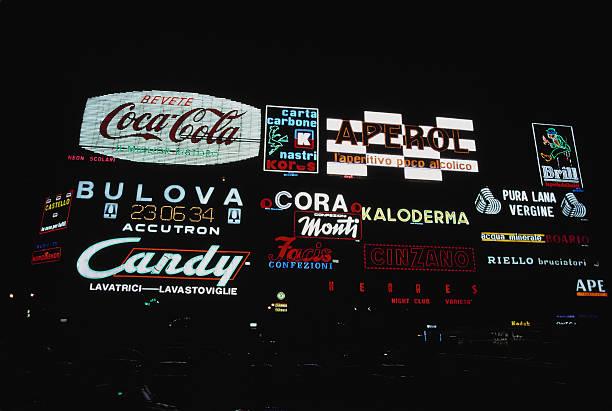
A retail shop has only a limited amount of time to make a visual impression. Customers notice the entrance, displays, product arrangement, colours, signs, and lighting before they begin exploring the products. A well-planned interior can make the store feel more organised and inviting while helping customers understand what the business represents.
For this reason, many retailers are paying more attention to decorative and branded lighting. Custom Neon Lights can be particularly useful because they combine a personalised design with illumination. A shop can display its business name, logo, initials, short phrase, or simple symbol without making major changes to the entire interior.
The right use of Neon Lights does not mean filling every wall with illuminated signs. In a retail environment, lighting should have a purpose. It can identify the shop, highlight a particular section, create a feature wall, or provide an attractive background for customers.
The best design is one that works with the products and existing interior rather than competing with them.
Why Retail Shops Need Good Interior Design
Customers often make quick decisions about a store based on what they see.
An organised and attractive interior can help create a positive first impression.
Several elements contribute to the appearance of a retail shop, including:
- Product displays
- Shelving
- Wall colours
- Flooring
- Furniture
- Signage
- General lighting
- Decorative features
A custom illuminated sign can become one part of this overall design.
It can help add personality without requiring a complete renovation.
1. Display the Shop Name
One of the most practical uses of Custom Neon Lights is displaying the shop's name.
The sign can be positioned behind the checkout counter, on a feature wall, or near the entrance.
Displaying the name inside the store reinforces the business identity and gives customers a clear visual reference.
The design should be easy to read.
Avoid overly complicated fonts if the sign needs to be understood from a distance. Simple lettering can often look more professional and remain readable in photographs.
2. Highlight the Business Logo
A shop's logo can become a decorative feature when converted into an illuminated design.
A logo sign can be placed:
- Behind the counter
- Near the entrance
- Above a display
- On a feature wall
- In a customer photo area
Using the same branding colours across the shop can create a more consistent appearance.
For example, the logo on packaging, shopping bags, website graphics, and the store's wall can share a similar visual identity.
3. Create a Feature Wall
Many retail shops have one wall that naturally attracts attention.
Instead of filling it with several unrelated decorations, consider making it the main branded wall.
A Custom Neon Lights sign can be installed in the centre or upper section of the wall.
The surrounding space can remain simple.
This allows the sign to become a focal point without competing with shelves or product displays.
4. Improve the Entrance Area
The entrance creates the first physical impression of a retail business.
A customised sign near the entrance can make the shop more recognisable.
For example, the store name or logo can be displayed where customers can see it immediately after entering.
However, the sign should not obstruct:
- Doors
- Walkways
- Security equipment
- Promotional information
- Customer movement
Measure the area before installation to ensure the design fits naturally.
5. Use Neon Lights Behind the Checkout Counter
The checkout area is another practical location.
Customers usually spend a few moments there while completing their purchases, making it a natural place for branding.
A sign behind the counter can display the business name or logo while also improving the appearance of an otherwise plain wall.
Make sure the sign does not interfere with payment equipment, shelves, staff movement, or storage.
6. Highlight New Collections
Retailers regularly introduce new products or seasonal collections.
Neon Lights can be used to draw attention to a specific display area.
For example, a shop might use a short illuminated phrase near a new collection or featured product section.
The lighting should support the display rather than overpower the products.
If the products already have colourful packaging, a simple sign may work better than an elaborate design.
7. Create a Customer Photo Corner
Customers increasingly photograph interesting retail interiors.
A dedicated photo area can give shoppers a reason to stop and take pictures while also providing additional visibility for the store.
A photo corner can include:
- Custom sign
- Clean wall
- Simple seating
- Brand logo
- Selected decorative elements
A personalised sign can make the background recognisable as belonging to the store.
Keep enough space around the sign so customers can take photographs comfortably.
8. Fashion and Clothing Retailers
Clothing stores can use custom illuminated signs to match their brand personality.
A premium fashion boutique may choose simple lettering, while a youthful fashion store may prefer a more expressive design.
The sign can be placed:
- Near the entrance
- Behind the checkout
- Near fitting rooms
- On a feature wall
- Beside a new collection
The style should match the type of customer the store is trying to attract.
9. Beauty and Cosmetic Shops
Cosmetic stores, beauty retailers, and salons can also benefit from customised lighting.
A business name, logo, or short phrase can complement displays of beauty products.
Because these stores often use mirrors and bright display lighting, it is important to consider reflections.
Test the sign from different customer positions before finalising its location.
10. Gift and Lifestyle Shops
Gift shops often have creative interiors, making them suitable for personalised lighting.
A small sign can display:
- Store name
- Short message
- Logo
- Symbol
- Seasonal phrase
The design should complement the products rather than distract customers from them.
A simple sign can provide enough character without making the shop feel crowded.
11. Choose Words Carefully
The wording of a custom sign is one of the most important design decisions.
Short text is generally easier to read.
Before finalising the wording, consider:
- Number of words
- Font style
- Letter spacing
- Meaning
- Viewing distance
- Wall size
A two- or three-word phrase can often have more impact than a long sentence.
The message should be understood quickly by customers walking past or entering the store.
12. Select Colours That Match the Store
Colour can influence the overall appearance of the shop.
When selecting the colour for Custom Neon Lights, consider the existing interior.
Look at:
- Brand colours
- Wall paint
- Furniture
- Flooring
- Product packaging
- Ceiling lights
- Other signage
A contrasting colour can create a strong focal point.
A matching colour can create a more subtle and coordinated appearance.
Think about how the colour will look during both daytime and evening hours.
13. Choose the Right Size
The size of a sign should be based on the wall and the viewing distance.
A sign that looks attractive in a product photograph may not be suitable for a particular store.
Measure the available space before ordering.
Consider:
- Wall width
- Wall height
- Ceiling height
- Shelving
- Furniture
- Customer viewing distance
- Surrounding empty space
The sign should have enough space around it to remain visually clear.
14. Balance Brightness With Existing Lighting
Retail stores usually have several types of lighting.
There may be ceiling lights, product spotlights, display lighting, digital screens, and window light.
Adding a very bright sign can make the interior visually busy.
When choosing Neon Lights, think about the role of the sign.
If it is primarily decorative, moderate brightness may be enough.
The sign should attract attention without making it difficult to focus on the products.
15. Use Lighting to Guide Customer Attention
A well-placed illuminated sign can subtly direct attention to a particular part of the store.
It might highlight:
- A new collection
- A checkout area
- A featured display
- A photo corner
- A special section
- The entrance
However, the sign should not block product information or create confusion about where customers should move.
Use it as a visual guide rather than a replacement for clear store signage.
16. Consider the Store Layout
Before installation, look at the shop from different angles.
Stand near the entrance and see whether the sign is visible.
Then check it from:
- Checkout
- Main aisle
- Product displays
- Seating areas
- Fitting rooms where appropriate
A sign that looks good from one position may be hidden from another.
Furniture and shelves should not block the design.
17. Plan Installation Before Ordering
Installation should be considered from the beginning.
Identify the nearest power source and decide how the cable will be managed.
The cable should not interfere with customers or employees.
Also consider the wall material and mounting requirements.
For larger signs, suitable installation hardware may be necessary.
If the store operates from a rented property, confirm that wall installation is permitted.
18. Keep Maintenance Simple
Retail shops require regular cleaning, so the sign should be easy to maintain.
Follow the manufacturer's cleaning instructions.
Use an appropriate soft cloth and avoid harsh cleaning products unless recommended.
Keep electrical connections protected from moisture.
Check visible cables periodically and address any unusual electrical behaviour promptly.
Proper maintenance can help preserve the appearance of the sign and support reliable operation.
Common Mistakes Retailers Should Avoid
Before installing Custom Neon Lights, avoid these common mistakes:
- Choosing a design without measuring the wall
- Using too much text
- Selecting excessive brightness
- Ignoring brand colours
- Blocking products
- Placing the sign too low or too high
- Forgetting power access
- Using too many illuminated signs
- Ignoring customer movement
- Choosing a design that does not match the store
A simple and well-positioned sign is often more effective than an elaborate installation.
Make Custom Lighting Part of the Brand
A retail shop should ideally have a consistent visual identity.
The colours, logo, packaging, website, signage, shopping bags, and interior can all support the same brand image.
Custom Neon Lights can become part of this system.
For example, the logo used on the store's shopping bags can also appear on a feature wall. This creates a connection between the customer's physical shopping experience and the brand they see online.
Final Thoughts
Custom Neon Lights can give retail shops a practical way to combine branding and interior decoration. A personalised shop name, logo, short phrase, or symbol can transform an ordinary wall into a recognisable feature.
Whether used near the entrance, behind the checkout counter, beside a product display, or in a dedicated photo area, Neon Lights should have a clear purpose.
Before choosing a design, consider the store's brand identity, wall dimensions, product layout, existing lighting, colour scheme, brightness, installation requirements, and customer movement.
The goal is not to make the shop as bright as possible. It is to create a balanced environment where the lighting supports the products and strengthens the identity of the business.
With thoughtful planning, the right Custom Neon Lights design can make a retail shop feel more distinctive, welcoming, and memorable while giving customers a visual feature they associate with the brand.
- Technology for Students
- Admissions & Applications
- Online Courses
- Career and Jobs
- Campus Life
- Drinks
- Film
- Fitness
- Food
- الألعاب
- Gardening
- Health
- الرئيسية
- Literature
- Music
- Networking For Students
- Insights
- Party
- Religion
- Shopping
- Sports
- Theater
- Wellness
- Education News
- Business & Finance For Students
- Security, Law & Crime Education
- Insurance
- Science & Technology For Students
 Arabic
 English
 French
 Spanish
 Portuguese
 Deutsch
 Turkish
 Dutch
Dutch
 Italiano
 Russian
 Romaian
 Portuguese (Brazil)
 Greek
Greek