


Leadwork Leeds: A Complete Guide to Lead Roofing, Repairs and Maintenance
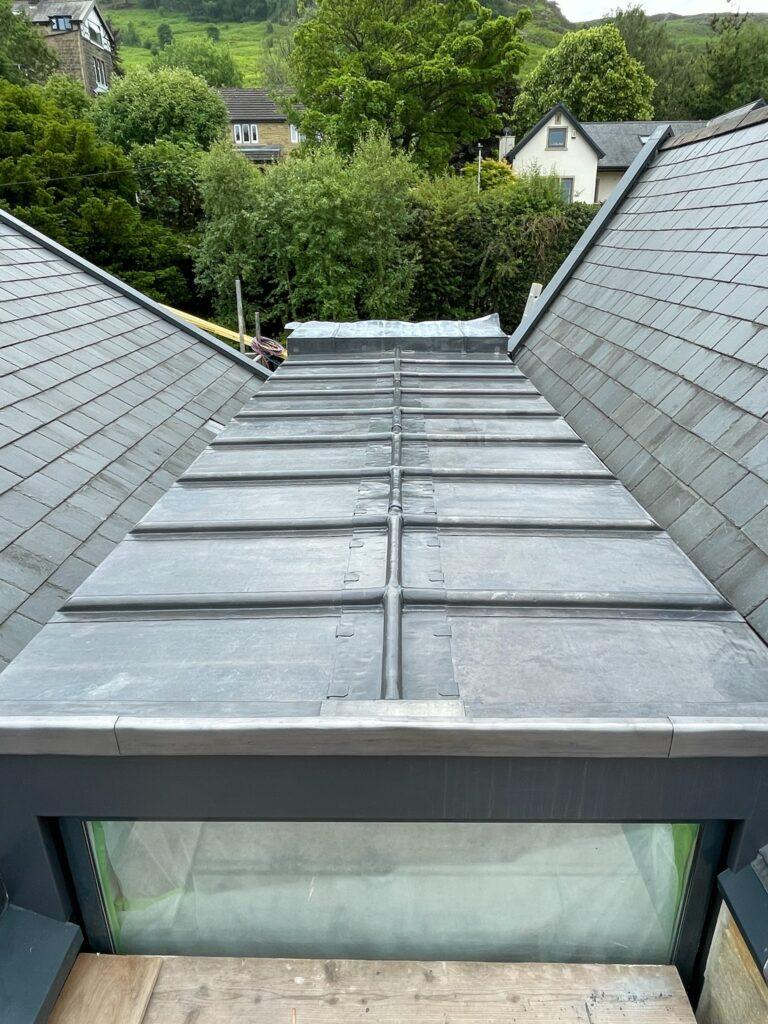
Lead is one of the most durable and practical materials used in traditional and modern roofing across the UK. It is particularly valuable around areas where a roof needs a reliable, weather-resistant seal, such as chimneys, valleys, flashing, roof junctions, dormers and other vulnerable points. Because Leeds has a mixture of traditional properties, period buildings and modern homes, understanding how lead is used in roofing can help property owners identify problems early and make informed maintenance decisions.
Leadwork Leeds covers a broad range of roofing applications, from installing new lead flashing to repairing existing sections that have deteriorated over time. Although lead can last for many decades when properly installed, exposure to rain, wind, temperature changes and general weathering can eventually affect its condition.
For homeowners and property managers, recognising the signs of damaged leadwork is important. Small cracks, lifted sections or failed joints can allow water to enter the roof structure. If these issues are ignored, moisture may eventually affect timbers, insulation, plasterwork and internal ceilings.
This guide looks at the role of lead in roofing, common applications, warning signs of damage, repair considerations and ways to maintain leadwork effectively.
What Is Leadwork in Roofing?
Leadwork refers to the use of sheet lead and associated techniques to create weatherproof coverings, junctions and protective details on a roof. Lead is flexible enough to be shaped around complicated roof structures while also providing excellent resistance to weather exposure.
Why Lead Is Used on Roofs
Lead has several characteristics that make it suitable for roofing applications. It is durable, malleable and resistant to corrosion. It can also be formed around irregular shapes, making it useful where other materials may be difficult to install.
Another important characteristic is its longevity. Properly installed lead can remain functional for many years, although its lifespan depends on factors such as installation quality, exposure, movement and maintenance.
Common Areas Where Lead Is Installed
Lead can be found in numerous parts of a roof. Typical applications include:
-
Chimney flashing
-
Apron and stepped flashing
-
Roof valleys
-
Dormer roof junctions
-
Abutments
-
Roof-to-wall intersections
-
Skylight and roof window details
-
Pipe and roof penetrations
-
Parapet junctions
-
Decorative roofing details
Each application requires an appropriate installation method. The lead must be correctly positioned, secured and detailed so that rainwater can flow away from vulnerable areas.
Common Lead Roofing Applications in Leeds
Properties throughout Leeds can have very different architectural styles. Older buildings may feature traditional roof structures, while newer properties may use modern roofing systems incorporating lead details.
Chimney Flashing
Chimneys are one of the most common areas where lead is used. Flashing creates a weatherproof junction between the chimney structure and the roof covering.
Over time, flashing can become cracked, displaced or separated from the surrounding masonry. Mortar joints can also deteriorate, creating additional pathways for water.
Roof Valleys
A roof valley directs rainwater away from the intersection between two roof slopes. Lead can be used to form a durable valley lining where appropriate.
Because valleys carry significant amounts of rainwater, damage in this area can potentially result in substantial water ingress. Leaves, moss and debris can also restrict drainage and increase the risk of problems.
Dormer and Roof Junctions
Dormer windows create additional junctions between different parts of a roof. Lead is often used around these intersections because it can be shaped accurately to create a protective seal.
Correct detailing is particularly important because water can collect around poorly formed junctions.
Abutment Flashing
Where a pitched roof meets a vertical wall, flashing helps prevent rainwater from entering the junction. Lead is frequently used because it can be formed against the wall and integrated with the roof covering.
Regular inspection of these areas can help identify movement or deterioration before it develops into a larger roofing problem.
Signs That Leadwork May Need Repair
Not every ageing section of lead needs immediate replacement. However, visible deterioration should not be ignored, particularly where there are signs of water ingress.
Cracks and Splits
Small cracks can develop as lead ages and experience repeated movement. Thermal expansion and contraction can contribute to stress over time.
A damaged section may initially appear minor, but water can enter through even relatively small openings.
Lifted or Loose Lead
Strong winds and movement within a roof can cause lead to lift or become loose. If flashing is no longer sitting correctly, its ability to keep water away from the roof structure may be reduced.
Water Staining Inside the Property
Brown or discoloured patches around ceilings and walls can sometimes indicate roof leaks. Water marks near a chimney, roof junction or dormer may justify an inspection of the external leadwork.
However, internal staining does not always identify the exact source of a leak because water can travel along roof timbers before appearing indoors.
Deteriorated Joints
Joints are important parts of any lead installation. If a joint has opened, cracked or failed, water may find a route into the underlying roof structure.
A professional inspection can help establish whether the affected area requires repair or replacement.
Leadwork Repair Versus Replacement
One of the most important considerations is whether damaged lead can be repaired or whether the affected section needs replacing.
When Repair May Be Suitable
A repair may be appropriate when the damage is limited and the surrounding lead remains structurally sound. Minor defects, localised problems and certain joint failures can sometimes be addressed without replacing a large section.
The exact repair method depends on the location, type of damage and condition of the existing installation.
When Replacement May Be Necessary
Replacement may be considered where lead has deteriorated extensively, developed significant splits or can no longer provide a reliable weatherproof barrier.
Replacing severely damaged material can provide a more dependable long-term solution than repeatedly repairing an ageing section.
Why the Cause of Damage Matters
Simply repairing visible damage may not solve the underlying problem. For example, movement, poor detailing or inadequate drainage could cause a newly repaired area to deteriorate again.
For this reason, the surrounding roof structure should also be assessed when significant leadwork problems are discovered.
The Importance of Correct Lead Installation
In addition to Leadwork Leeds the quality of installation has a major influence on how long lead roofing details remain effective.
Correct Sizing and Detailing
Lead should be installed according to the requirements of the particular roofing application. Oversized or poorly detailed pieces can be affected by thermal movement, while inadequate coverage may leave vulnerable areas exposed.
Experienced roofing professionals understand that lead should not simply be treated as a sheet of material placed over a joint. Its position, fixing method, laps, joints and relationship with other roofing materials all matter.
Allowing for Thermal Movement
Lead expands and contracts as temperatures change. Appropriate detailing allows the material to accommodate normal movement without developing excessive stress.
This is particularly important on larger sections of lead because restricting natural movement can contribute to premature failure.
Secure Fixing
Lead needs to be secured appropriately without creating unnecessary restrictions. Incorrect fixing can contribute to distortion or stress within the material.
Professional workmanship therefore involves balancing security with the natural characteristics of lead.
Maintaining Leadwork Throughout the Year
Good maintenance can help property owners identify problems before they become expensive repairs.
Inspect Roof Junctions
Chimneys, valleys, dormers and roof-to-wall junctions deserve particular attention. Look for visible gaps, movement, damaged flashing or signs that water is not draining correctly.
Keep Drainage Areas Clear
Leaves, moss and debris can interfere with water flow around roof valleys and drainage points. Keeping relevant areas clear can reduce unnecessary water accumulation.
Check After Severe Weather
High winds and heavy rainfall can expose weaknesses in roofing materials. After particularly severe weather, it is sensible to check for obvious signs of movement or damage.
Deal With Small Problems Early
A minor defect may be relatively straightforward to address, whereas prolonged water ingress can affect insulation, timber structures, plaster and internal finishes.
Early investigation therefore has the potential to prevent a small external issue from developing into a much larger repair project.
Choosing a Roofing Professional for Leadwork
Selecting an appropriately experienced roofing contractor is important because lead requires specialist knowledge and careful workmanship.
Experience With Different Roof Types
A suitable contractor should understand how lead interacts with different roofing materials and building structures. This is especially relevant for older properties where traditional construction methods may be involved.
Inspection Before Quotation
A reliable assessment should consider the condition of the affected area rather than relying solely on photographs or assumptions.
An inspection can help determine whether the issue relates to lead itself, surrounding masonry, roof coverings, drainage or another part of the roofing system.
Clear Explanation of Recommended Work
Property owners should receive a clear explanation of the identified problem and the proposed solution. Where repair is possible, the contractor should explain what will be repaired and why. If replacement is recommended, the reason for replacing the existing material should also be clear.
Promax Roofing approaches roofing projects by considering the condition of the affected roof area and the practical requirements of the property rather than treating every leadwork problem in exactly the same way.
Why Local Weather Can Affect Roof Leadwork
Leeds experiences changing weather conditions throughout the year, including periods of rainfall, wind and temperature variation. Roofing materials therefore need to withstand repeated exposure to changing environmental conditions.
Rain and Moisture
Persistent rainfall can expose weaknesses in flashing, joints and roof junctions. Water that repeatedly reaches a vulnerable area can eventually enter the roof structure.
Wind Exposure
Strong winds can place additional pressure on roof coverings and exposed flashing. Loose or poorly secured sections may be more vulnerable during severe weather.
Temperature Changes
Repeated heating and cooling causes roofing materials to expand and contract. Lead is particularly responsive to temperature changes, which is why correct detailing and installation are important.
Leadwork and Older Properties
Leeds contains many properties with traditional architectural features, and older buildings may require additional care when roofing work is carried out.
Preserving Existing Roof Features
When working on an older property, it may be possible to retain sound existing leadwork while repairing only defective sections. The appropriate approach depends on the condition and construction of the roof.
Working Around Traditional Materials
Older roofs may contain slate, stone, brickwork and traditional mortar. Repair work should take these surrounding materials into consideration rather than focusing only on the visible lead.
This approach can help protect both the roof's weather resistance and the property's existing character.
Preventing Water Damage From Failed Leadwork
Water entering through defective flashing can cause more than a visible roof leak.
Possible Internal Effects
Prolonged water ingress may contribute to:
-
Damp patches
-
Damaged plaster
-
Staining
-
Timber deterioration
-
Insulation damage
-
Mould growth where moisture remains
-
Damage to decorative finishes
The extent of damage depends on how long moisture has been entering the property and which parts of the building have been affected.
Why Early Investigation Matters
A roof leak can sometimes appear far away from the original entry point. Consequently, simply repairing the location where a stain appears indoors may not address the actual source.
A professional roof inspection can help trace the likely route of water and identify the external defect responsible.
How Often Should Leadwork Be Checked?
There is no single inspection interval that suits every property. Roof age, construction, exposure and previous repair history all influence maintenance requirements.
However, routine visual checks can help identify obvious issues. Properties with older roofs or known previous leadwork problems may benefit from more regular professional inspections.
After severe storms or noticeable water ingress, an inspection should be considered promptly rather than waiting for the next routine maintenance visit.
Final Thoughts on Roof Leadwork
Lead remains an important roofing material because of its durability, flexibility and ability to create weather-resistant details around complicated roof junctions. From chimney flashing and valleys to dormers and wall abutments, correctly installed lead can provide long-term protection when properly detailed and maintained.
Understanding the warning signs of failing leadwork can help property owners respond before water damage spreads into the building. Cracks, loose sections, deteriorated joints and unexplained internal staining should all be investigated rather than ignored.
For property owners considering Leadwork Leeds, the most suitable solution will depend on the condition of the existing roof, the location of the lead and the extent of any damage. Professional inspection and appropriate workmanship can help maintain the roof's weather resistance and protect the structure beneath it.
When specialist roofing advice or leadwork services are required, Promax Roofing can assess the relevant roof areas and provide practical guidance based on the property's individual requirements.
- Technology for Students
- Admissions & Applications
- Online Courses
- Career and Jobs
- Campus Life
- Drinks
- Film
- Fitness
- Food
- Игры
- Gardening
- Health
- Главная
- Literature
- Music
- Networking For Students
- Insights
- Party
- Religion
- Shopping
- Sports
- Theater
- Wellness
- Education News
- Business & Finance For Students
- Security, Law & Crime Education
- Insurance
- Science & Technology For Students
 Russian
 English
 Arabic
 French
 Spanish
 Portuguese
 Deutsch
 Turkish
 Dutch
 Italiano
 Romaian
 Portuguese (Brazil)
 Greek