


Abdominoplasty Dubai: What Happens During the Surgical Procedure?
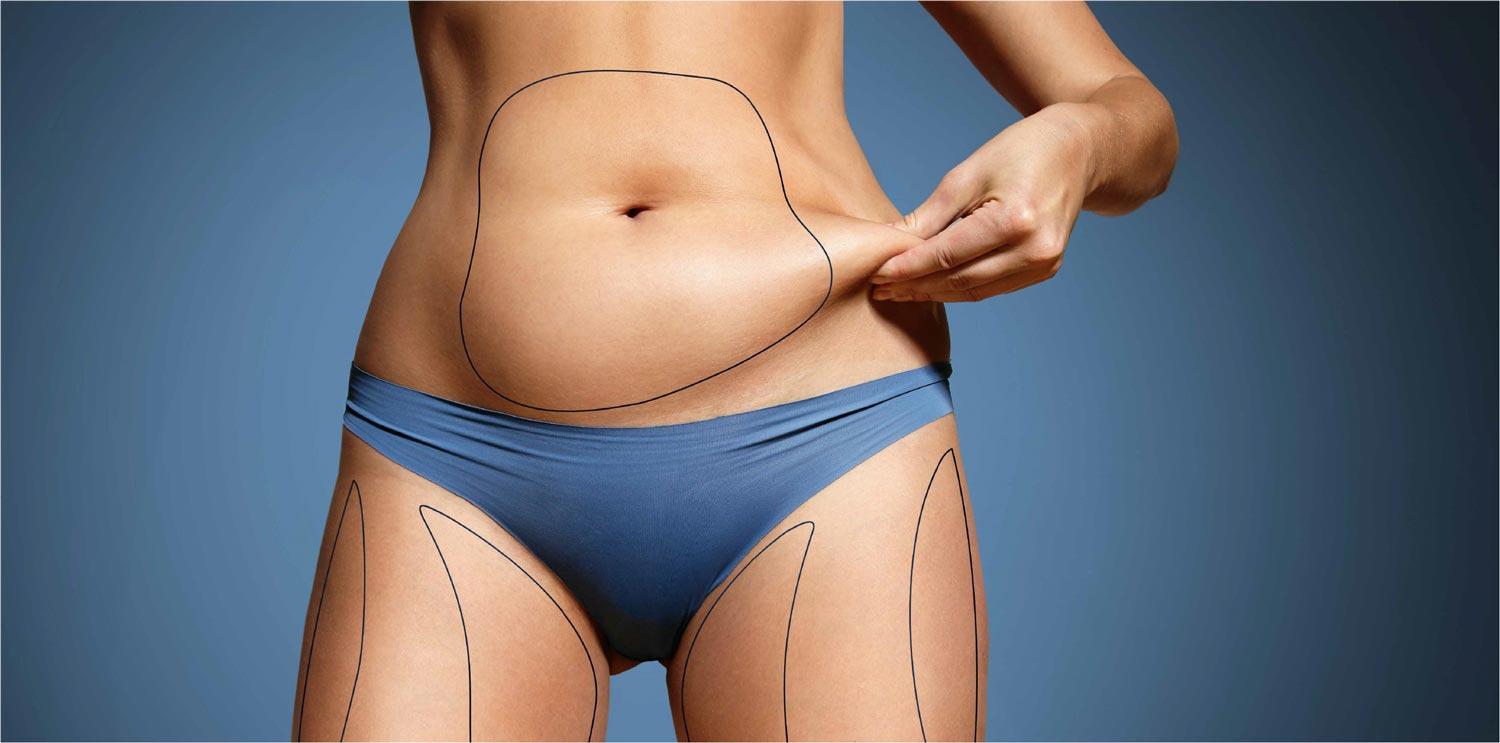
Abdominoplasty, commonly known as a tummy tuck, is a surgical procedure designed to reshape and improve the appearance of the abdominal area. The procedure can involve removing excess skin and fat while tightening or repairing the abdominal wall when required. Unlike non-surgical body contouring treatments, abdominoplasty focuses on the underlying abdominal structure as well as the outer appearance.
For people considering Abdominoplasty Dubai, understanding what happens during the surgical procedure can make the treatment process easier to understand. The operation involves several carefully planned stages, beginning with preparation and incision placement and continuing through tissue removal, abdominal muscle adjustment, skin redraping, and closure.
Dr. Shahram Sajjadi assesses each patient's abdominal anatomy and individual goals before determining the appropriate surgical approach. The exact procedure can vary according to the amount of excess skin, abdominal wall condition, body proportions, and the extent of reshaping required.
What Is Abdominoplasty?
Abdominoplasty is a surgical body-contouring procedure that reshapes the abdomen by addressing excess skin and, when appropriate, excess fatty tissue and abdominal wall laxity.
Changes in the abdominal area can occur following pregnancy, significant weight changes, ageing, or other factors. In some cases, diet and exercise may improve muscle tone and body composition without removing loose skin. Abdominoplasty is designed to address this type of structural and skin-related concern surgically.
The procedure is different from liposuction because liposuction primarily removes localised fat deposits, whereas abdominoplasty focuses substantially on excess abdominal skin and the abdominal wall.
What Happens Before the Surgery?
The surgical process begins well before the patient enters the operating room. A detailed consultation allows the surgeon to assess the abdomen and understand the patient's objectives.
During the assessment, Dr. Shahram Sajjadi may examine the amount and distribution of excess skin, the position of the belly button, abdominal muscle condition, skin elasticity, and overall body proportions.
The surgeon also discusses the intended extent of reshaping. Some patients may require a more extensive abdominoplasty, while others may be suitable for a more limited approach depending on their anatomy.
The consultation is therefore important for creating an individualised surgical plan.
How Is the Abdomen Prepared for Surgery?
On the day of surgery, the patient is prepared according to the surgical team's established protocol. The abdominal area is assessed and the planned surgical markings are made.
These markings help the surgeon identify the location and length of the incision and determine how much tissue is expected to be removed or repositioned.
The exact incision design varies between patients. Factors such as the amount of excess skin, the patient's body shape, and the desired extent of correction can influence the surgical plan.
Anaesthesia is administered according to the surgical plan before the procedure begins.
Where Is the Abdominoplasty Incision Made?
One of the first major surgical steps is creating the planned abdominal incision.
In a traditional tummy tuck, the incision is generally positioned across the lower abdomen. The surgeon plans its location with consideration for the patient's anatomy and the amount of excess skin that needs to be removed.
The incision allows the surgeon to access the abdominal tissues and underlying structures. The length can vary depending on how much skin needs to be addressed.
A second incision may be made around the belly button when it needs to be repositioned as part of the procedure.
How Is Excess Skin Removed?
Once the incision has been made, the surgeon separates the abdominal skin and underlying tissues according to the planned surgical approach.
The amount of skin removed is determined before surgery based on the patient's anatomy and the desired contour.
The lower abdominal skin can then be pulled downward and the excess portion removed. This changes the relationship between the remaining skin and the underlying abdominal wall.
The surgeon carefully plans this stage to create a smoother abdominal contour while maintaining appropriate tissue positioning.
What Happens to the Abdominal Muscles?
Abdominal wall laxity is another factor that may be addressed during abdominoplasty.
The abdominal muscles themselves are not usually removed. Instead, when muscle separation or laxity is present, the surgeon may tighten the supporting connective tissue over the abdominal muscles.
This process can bring the abdominal wall into a more controlled position and improve the underlying contour.
The extent of muscle tightening depends on the patient's individual anatomy. Not every patient requires the same degree of abdominal wall correction.
How Is the Belly Button Repositioned?
The belly button is an important part of the natural appearance of the abdomen, so its position is carefully considered during surgery.
In a traditional abdominoplasty, the abdominal skin is repositioned downward. Because the skin moves relative to the existing belly button, the surgeon may create a new opening for the navel in the repositioned abdominal skin.
The existing belly button stalk generally remains attached to the abdominal wall while the surrounding skin is moved.
The surgeon then brings the belly button through the new opening and shapes the surrounding area to maintain appropriate proportions.
How Is the Abdominal Skin Redraped?
After the underlying abdominal structures have been addressed, the remaining skin is carefully redraped over the abdominal wall.
The surgeon determines how the skin should be positioned to create an appropriate abdominal contour. Excess tissue is removed, and the remaining skin is brought together along the planned incision.
This stage is important because it determines how the outer abdominal skin sits over the newly shaped underlying structure.
The surgeon aims to maintain appropriate tension and alignment while creating a smooth transition across the abdomen.
Is Liposuction Used During Abdominoplasty?
Liposuction may sometimes be incorporated into an abdominoplasty procedure when localised fat deposits are present.
However, liposuction and abdominoplasty address different anatomical concerns. Liposuction removes selected fat deposits, whereas abdominoplasty primarily addresses excess skin and abdominal wall laxity.
Whether the two procedures are combined depends on the patient's body shape and treatment objectives.
During the consultation, the surgeon can determine whether additional contouring is appropriate for the planned procedure.
How Are the Incisions Closed?
Once the desired abdominal contour has been created, the surgeon closes the surgical incisions.
The closure is performed in layers to bring the tissues together and support appropriate healing. The exact closure technique depends on the surgical approach and the patient's anatomy.
The surgeon also assesses the position of the skin and belly button before completing the operation.
After closure, appropriate dressings or postoperative garments may be applied according to the surgical team's instructions.
How Long Does Abdominoplasty Surgery Take?
The duration of abdominoplasty varies because each operation is different. The amount of skin being removed, the need for abdominal wall tightening, the inclusion of liposuction, and the overall complexity of the procedure can all influence operating time.
A straightforward procedure may require less time than a more extensive abdominal reconstruction or combined body-contouring treatment.
Rather than relying on a fixed duration, patients should ask Dr. Shahram Sajjadi about the expected operating time based on their individual surgical plan.
What Determines the Type of Abdominoplasty?
Not every patient needs the same type of tummy tuck. The surgical approach can vary according to the amount and location of excess skin and the condition of the abdominal wall.
A full abdominoplasty generally addresses a larger area of the abdomen and may include repositioning of the belly button.
A mini abdominoplasty involves a more limited treatment area and may be appropriate for selected patients whose concerns are primarily located below the belly button.
The appropriate procedure is determined during the consultation after evaluating the patient's anatomy and goals.
How Does Previous Pregnancy Affect Surgical Planning?
Pregnancy can significantly change the abdominal area. The skin may stretch, and the abdominal wall may become lax or separated.
When assessing a patient after pregnancy, the surgeon considers the condition of the abdominal skin and supporting tissues. The amount of excess skin and the location of the laxity can influence the recommended surgical approach.
Patients should discuss previous pregnancies during their consultation because this information can help the surgeon understand the changes affecting the abdominal area.
How Does Previous Weight Loss Affect the Procedure?
Significant weight loss can leave excess skin around the abdomen. The amount of remaining skin can vary considerably depending on factors such as the degree of weight loss, skin elasticity, age, and individual body structure.
For patients who have experienced substantial weight changes, the surgeon assesses the distribution of loose skin and determines which areas should be addressed.
A stable body weight is generally an important consideration when planning elective body-contouring surgery because continued significant weight changes can alter the abdominal contour.
What Is the Role of Surgical Planning?
Detailed planning is central to abdominoplasty because the procedure involves several interconnected structures.
Before surgery, the surgeon determines the incision position, amount of skin to be removed, whether abdominal wall tightening is required, belly button positioning, and whether additional contouring techniques may be appropriate.
Dr. Shahram Sajjadi can evaluate these factors during consultation and develop a treatment plan according to the patient's anatomy.
For patients researching Abdominoplasty Dubai, understanding this planning process can help clarify why surgical techniques and incision designs can differ from one patient to another.
What Happens Immediately After the Procedure?
After the operation is completed, the patient is transferred to an appropriate postoperative area for monitoring.
The surgical team provides instructions regarding movement, wound care, medication, garments, and follow-up appointments. The specific instructions vary according to the individual procedure.
Patients are usually advised to follow the surgeon's postoperative guidance carefully and attend scheduled follow-up appointments so the healing process can be monitored.
The abdominal contour also continues to change during the healing period as tissues settle.
How Does the Abdomen Change During Recovery?
The appearance of the abdomen develops progressively after surgery. Early changes do not necessarily represent the final contour because the tissues require time to settle.
Patients may notice changes in skin tightness, abdominal contour, and the position of the treated tissues during the recovery process.
The surgeon monitors the progress during follow-up appointments and can provide guidance about when normal activities can gradually be resumed.
Why Is an Individualised Approach Important?
Abdominal anatomy varies widely between patients. Two people may have similar concerns about excess skin but require different surgical approaches.
Factors such as skin elasticity, abdominal wall condition, fat distribution, previous pregnancy, previous surgery, weight changes, and body proportions can all influence treatment planning.
For this reason, Abdominoplasty Dubai should be approached as a personalised surgical procedure rather than a standard operation with an identical technique for everyone.
Conclusion
Abdominoplasty involves several carefully planned surgical stages designed to reshape the abdominal area. The procedure may include creating a lower abdominal incision, separating and removing excess skin, addressing abdominal wall laxity when required, repositioning the belly button, redraping the remaining skin, and closing the incisions.
The exact steps depend on the patient's anatomy and the extent of correction required. Dr. Shahram Sajjadi assesses these factors during consultation before developing an appropriate surgical plan.
For individuals considering Abdominoplasty Dubai, understanding what happens during the operation can help them approach their consultation with clearer expectations and a better understanding of how tummy tuck surgery reshapes the abdomen.
Frequently Asked Questions
What is abdominoplasty?
Abdominoplasty, commonly called a tummy tuck, is a surgical procedure that removes excess abdominal skin and may address excess fat and abdominal wall laxity to reshape the abdomen.
What happens first during abdominoplasty surgery?
After anaesthesia and surgical preparation, the surgeon follows the planned incision pattern to access the abdominal tissues and begin the reshaping process.
Is excess skin removed during a tummy tuck?
Yes. Removing a predetermined amount of excess abdominal skin is one of the central components of a traditional abdominoplasty.
Are abdominal muscles tightened during abdominoplasty?
When abdominal wall laxity or muscle separation is present, the surgeon may tighten the connective tissue supporting the abdominal muscles as part of the procedure.
Is the belly button moved during a full tummy tuck?
The belly button may be repositioned during a full abdominoplasty because the surrounding abdominal skin is moved downward. The surgeon creates an appropriate opening for the navel in the repositioned skin.
Can liposuction be combined with abdominoplasty?
In selected patients, liposuction may be incorporated into the procedure to address specific areas of localised fat. The decision depends on the patient's anatomy and treatment plan.
How long does abdominoplasty surgery take?
The operating time varies according to the extent of surgery, the amount of excess skin, abdominal wall correction, and whether additional contouring procedures are performed.
What is the difference between a full and mini tummy tuck?
A full tummy tuck generally addresses a larger portion of the abdomen and may involve belly button repositioning. A mini tummy tuck focuses more specifically on the lower abdominal area and is suitable only for selected patients.
What should I discuss with Dr. Shahram Sajjadi before abdominoplasty?
Patients can discuss their abdominal concerns, previous pregnancies or weight changes, desired contour, previous abdominal procedures, and whether they are considering a full or more limited tummy tuck.
When can the final abdominal contour be assessed?
The abdominal contour changes progressively during healing. The final appearance should be evaluated after sufficient time has passed for the tissues to settle.
Is abdominoplasty suitable after significant weight loss?
It may be considered for selected patients who have excess abdominal skin following significant weight loss. The surgeon assesses skin quantity, tissue distribution, body proportions, and overall treatment goals.
Why is consultation important before abdominoplasty?
A consultation allows the surgeon to examine the abdominal structure, discuss the patient's goals, determine the extent of correction required, and create an individualised surgical plan.
- Technology for Students
- Admissions & Applications
- Online Courses
- Career and Jobs
- Campus Life
- Drinks
- Film
- Fitness
- Food
- Games
- Gardening
- Health
- Home
- Literature
- Music
- Networking For Students
- Insights
- Party
- Religion
- Shopping
- Sports
- Theater
- Wellness
- Education News
- Business & Finance For Students
- Security, Law & Crime Education
- Insurance
- Science & Technology For Students
 English
 Arabic
 French
 Spanish
 Portuguese
 Deutsch
 Turkish
 Dutch
Dutch
 Italiano
 Russian
 Romaian
 Portuguese (Brazil)
 Greek
Greek