


Why Fashion Is a Powerful Communication Tool
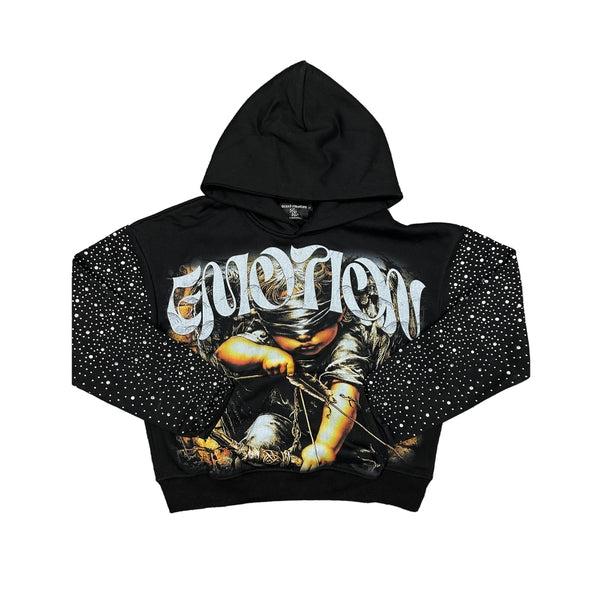
Fashion is much more than simply choosing clothes to wear. Every day, the way we dress communicates something about who we are, how we feel, and how we want others to see us. Before we even speak, our clothing can create an impression. A carefully chosen outfit can show confidence, creativity, professionalism, culture, personality, or even our current mood. This is why fashion has become one of the most powerful forms of non-verbal communication in modern life.
Fashion Speaks Without Words
Communication does not always require speaking. Body language, facial expressions, colors, and clothing can all send messages. Fashion works in a similar way because people often make quick judgments based on appearance. For example, someone wearing a formal suit may appear professional and serious, while someone wearing relaxed streetwear may communicate a casual and creative personality.
The interesting thing about fashion is that its message can change depending on the situation. The same person might wear business clothing for an important meeting, comfortable clothes at home, and a stylish outfit for a social event. Each choice communicates something different while still reflecting the individual's identity.
Clothing Reflects Personality
One of the strongest ways fashion communicates is by expressing personality. Some people prefer simple and minimal outfits, while others enjoy bright colors, bold patterns, oversized clothing, or unusual accessories. These choices can reveal whether someone prefers a classic, adventurous, artistic, relaxed, or modern style.
Personal fashion also gives people the freedom to experiment. A person does not have to follow one particular trend all the time. Mixing different styles can create a unique appearance that feels authentic. In this sense, clothing becomes a visual language through which people introduce themselves to the world.
Fashion and Emotions
Our clothing choices are often connected to our emotions. On days when we feel energetic and confident, we may choose an outfit that makes us feel attractive and noticeable. On quieter days, we might prefer soft fabrics, neutral colors, and comfortable clothing.
This relationship between clothing and feelings can be described through the idea of mixed emotion. Sometimes a person can feel confident and nervous at the same time, or excited and uncertain about an important event. Fashion can reflect these complicated feelings through combinations of colors, textures, layers, and styles. An outfit does not always communicate one simple emotion; sometimes it tells a much deeper story.
Fashion Creates Emotional Connections
Fashion can also connect people through shared feelings and experiences. Certain clothing styles remind us of particular memories, places, or stages of life. A favorite jacket may remind someone of a special journey, while a particular shirt might be connected to an important achievement.
Brands that understand this emotional side of fashion often create products that are not only visually attractive but also meaningful. Mixed emotions boutique is an example of a fashion concept where clothing can represent different moods, feelings, and personal experiences. Such fashion encourages people to think about what they wear as an expression of themselves rather than simply another product in their wardrobe.
Comfort Is Also Communication
Fashion communication is not always about looking impressive. Sometimes, comfort communicates confidence and self-awareness. When people wear clothing that feels comfortable, they often feel more relaxed and natural.
A good example is mixed emotions sweatpants, which combine casual comfort with personal style. Sweatpants are no longer limited to staying at home or exercising. Modern fashion has transformed them into everyday pieces that can be styled with sneakers, jackets, hoodies, or other accessories. Choosing comfortable clothing can communicate that a person values freedom, relaxation, and practicality while still caring about appearance.
Colors Have Their Own Language
Color is another powerful part of fashion communication. Different colors can create different impressions. Black is often associated with sophistication, strength, and elegance, while white can suggest simplicity and freshness. Bright colors may communicate energy and confidence, whereas softer shades can create a calm and relaxed appearance.
However, the meaning of color is not universal. Culture, personal experience, and social context can influence how a color is interpreted. This makes fashion communication personal as well as cultural.
Fashion Communicates Culture and Identity
Clothing can tell stories about cultural traditions, communities, and heritage. Traditional clothing often carries historical meanings that have been passed from one generation to another. Even modern fashion can combine traditional elements with contemporary designs, creating a connection between the past and present.
Fashion can therefore help people celebrate where they come from while also showing how they see themselves today. Cultural clothing worn with pride can communicate belonging, heritage, and respect for tradition without requiring a single word.
Fashion in Professional Life
Fashion also plays an important role in professional communication. In workplaces, clothing can influence how others perceive a person's confidence, reliability, and professionalism. A well-presented appearance may help create a positive first impression during interviews, presentations, meetings, and other professional situations.
This does not mean everyone must dress exactly the same. Different industries have different expectations. The key is understanding the environment and choosing clothing that fits both the situation and one's personality.
Social Media Has Made Fashion More Powerful
Social media has transformed fashion into an even stronger communication tool. Platforms filled with outfit photos, fashion videos, and style inspiration allow people to communicate their identities to large audiences. A person's online fashion style can become part of their personal brand.
Influencers, designers, and everyday users use clothing to create visual stories. Streetwear, vintage fashion, minimalism, luxury fashion, and sustainable clothing have all developed strong online communities. As a result, fashion is no longer limited to physical spaces; it has become an important part of digital identity.
Fashion Builds Confidence
The way we dress can also affect the way we feel about ourselves. Wearing something that matches our personality can create a stronger sense of confidence and comfort. When people feel good in what they are wearing, they may become more willing to express themselves and interact with others.
Fashion should not be about satisfying every trend or meeting unrealistic standards. Its greatest value comes from helping individuals feel comfortable with their own identity. Personal style becomes powerful when it is chosen intentionally rather than simply copied from others.
Conclusion
Fashion is a powerful communication tool because it allows people to express ideas, emotions, personalities, cultures, and identities without speaking. From colors and fabrics to silhouettes and accessories, every element can contribute to the message an outfit sends.
Whether someone chooses a bold statement piece, comfortable mixed emotions sweatpants, or explores the expressive world of a mixed emotions boutique, fashion provides countless ways to communicate individuality. It can reflect a mixed emotion, celebrate culture, create confidence, and build connections with others.
Ultimately, fashion is not just about what we wear. It is about what our clothing says about us. When chosen thoughtfully, an outfit can become a personal statement—a visual conversation between ourselves and the world around us.
- Technology for Students
- Admissions & Applications
- Online Courses
- Career and Jobs
- Campus Life
- Drinks
- Film
- Fitness
- Food
- Spellen
- Gardening
- Health
- Home
- Literature
- Music
- Networking For Students
- Insights
- Party
- Religion
- Shopping
- Sports
- Theater
- Wellness
- Education News
- Business & Finance For Students
- Security, Law & Crime Education
- Insurance
- Science & Technology For Students
 Dutch
Dutch
 English
 Arabic
 French
 Spanish
 Portuguese
 Deutsch
 Turkish
 Italiano
 Russian
 Romaian
 Portuguese (Brazil)
 Greek
Greek