


Peace in War: The Quiet Strength That Survives Every Battle
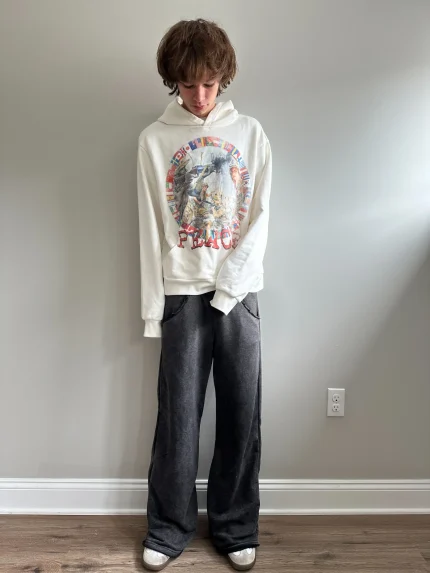
War is often remembered for explosions, broken cities, military victories, and heartbreaking losses. History books usually describe the strategies of generals, the rise and fall of nations, and the political reasons behind conflicts. Yet, hidden beneath the noise of every battlefield is something far more remarkable—peace. It may seem impossible to speak about peace while bombs are falling or soldiers are fighting, but peace has always found a way to survive even in humanity's darkest moments.
Peace during war is not simply the absence of fighting. It is the courage to protect life when destruction surrounds it. It is the decision to show kindness when hatred appears stronger. It is the determination to believe that tomorrow can be different from today. Throughout history, ordinary people have demonstrated extraordinary compassion during wars by helping strangers, protecting children, sharing food, and refusing to surrender their humanity. These actions remind us that while wars may divide nations, peace continues to unite hearts.
Understanding the True Meaning of Peace
Many people define peace as the end of conflict, but its meaning reaches much deeper. Peace in war a state of mind that encourages respect, patience, forgiveness, and hope. It exists whenever people choose understanding instead of revenge and cooperation instead of violence.
Even in regions affected by war, countless individuals continue teaching children, caring for the sick, rebuilding homes, and supporting neighbors. Their efforts prove that peace is not created only by governments signing agreements. It is also built by ordinary citizens making compassionate decisions every single day.
Real peace requires courage because it asks people to reject hatred despite experiencing pain. This choice is never easy, especially after great loss. Yet history repeatedly shows that lasting recovery begins when people decide that healing is more valuable than endless conflict.
The Human Cost of War
Every war leaves visible and invisible scars. Buildings can be rebuilt, roads repaired, and economies restored, but emotional wounds often remain for generations. Families lose loved ones, children grow up without security, and communities struggle to recover from years of fear.
The consequences of war extend far beyond the battlefield. Education is interrupted, healthcare systems become overwhelmed, businesses collapse, and millions of people are forced to leave their homes. Refugees often face uncertain futures while trying to rebuild their lives in unfamiliar places.
Beyond physical destruction, war damages trust between communities. Suspicion replaces friendship, and fear replaces hope. Restoring relationships can take decades, making peacebuilding an ongoing process rather than a single event.
Understanding these human costs helps people appreciate why preventing conflict is always more valuable than winning one.
Small Acts of Kindness That Change Everything
During wars, remarkable stories of kindness continue to emerge. Neighbors share their last meal with hungry families. Doctors work without rest to save lives regardless of nationality. Volunteers deliver food, medicine, and shelter to those in desperate need. Teachers continue educating children even when classrooms no longer exist.
These acts may appear small compared to the scale of war, but they have enormous emotional power. A simple gesture of compassion reminds people that humanity still exists despite overwhelming suffering.
Children who experience kindness during difficult times often carry those memories throughout their lives. They become adults who value empathy, forgiveness, and cooperation, helping create more peaceful communities in the future.
Peace often begins with one person choosing compassion over indifference.
Why Dialogue Is Stronger Than Violence
Violence can silence people temporarily, but it rarely solves the problems that created conflict. Lasting peace requires communication, mutual respect, and honest conversations.
Dialogue allows opposing sides to understand each other's fears, needs, and hopes. Although disagreements may remain, respectful discussion creates opportunities for compromise that violence cannot provide.
Many historic conflicts eventually ended not because one side completely defeated the other but because negotiations opened the door to practical solutions. Listening does not mean surrendering principles. Instead, it demonstrates confidence that understanding is more productive than endless hostility.
Every meaningful peace process begins with people willing to speak, listen, and search for common ground.
The Role of Hope During Difficult Times
Hope is one of humanity's greatest strengths during war. peace in war Without hope, rebuilding would seem impossible. With hope, even devastated communities find the determination to begin again.
Hope inspires parents to protect their children, students to continue learning, healthcare workers to serve patients, and volunteers to assist strangers. It motivates communities to restore schools, hospitals, parks, and businesses after conflict ends.
Hope is not blind optimism that ignores suffering. Instead, it is the quiet belief that today's pain does not have to define tomorrow's future.
Throughout history, societies that maintained hope recovered more successfully because they continued investing in education, cooperation, and community even during hardship.
Education: A Powerful Weapon for Peace
Education teaches much more than mathematics, science, or language. It helps people understand different cultures, challenge prejudice, and develop critical thinking skills.
Children who learn about empathy, diversity, and peaceful conflict resolution are less likely to embrace hatred later in life. Schools create opportunities for young people from different backgrounds to build friendships that overcome stereotypes.
Teachers play a remarkable role during and after conflict. They help students process difficult experiences while encouraging dreams for a better future. Every lesson taught in challenging circumstances becomes an investment in long-term peace.
An educated generation has the knowledge needed to solve problems through cooperation rather than violence.
Rebuilding Trust After Conflict
Ending a war does not automatically create peace. Communities must rebuild trust, restore institutions, and heal emotional wounds.
Forgiveness does not require forgetting painful experiences. Instead, it allows individuals and societies to move forward without remaining trapped by anger. Reconciliation often includes honest conversations, accountability, community projects, and shared efforts to rebuild damaged neighborhoods.
Artists, writers, musicians, religious leaders, educators, and community volunteers frequently contribute to healing by creating spaces where people can reconnect despite previous divisions.
True peace grows stronger when former enemies discover shared goals such as educating children, improving healthcare, protecting the environment, and creating economic opportunities.
The Responsibility of Every Individual
Peace is not only the responsibility of world leaders or international organizations. Every individual contributes to either conflict or harmony through daily choices.
Respecting different opinions, rejecting misinformation, promoting kindness online, helping neighbors, supporting humanitarian efforts, and resolving disagreements peacefully all strengthen society.
Words have tremendous influence. Conversations that encourage understanding reduce hostility, while hateful language often deepens divisions. Choosing respectful communication is one of the simplest yet most effective ways to promote peace.
Every act of compassion creates a ripple effect that inspires others to respond with similar kindness.
Technology and the Future of Peace
Modern technology has transformed how people communicate across borders. Individuals from different countries can now share experiences, learn about diverse cultures, and collaborate on solutions to global challenges.
Although technology can sometimes spread misinformation or increase tensions, it also offers remarkable opportunities for peacebuilding. Online education, humanitarian fundraising, international cooperation, and cultural exchanges help people recognize their shared humanity.
Young generations have greater access to global perspectives than ever before. By using technology responsibly, they can build friendships that transcend national, cultural, and political boundaries.
The future of peace depends not only on innovation itself but also on the values guiding its use.
- Technology for Students
- Admissions & Applications
- Online Courses
- Career and Jobs
- Campus Life
- Drinks
- Film
- Fitness
- Food
- Spellen
- Gardening
- Health
- Home
- Literature
- Music
- Networking For Students
- Insights
- Party
- Religion
- Shopping
- Sports
- Theater
- Wellness
- Education News
- Business & Finance For Students
- Security, Law & Crime Education
- Insurance
- Science & Technology For Students
 Dutch
Dutch
 English
 Arabic
 French
 Spanish
 Portuguese
 Deutsch
 Turkish
 Italiano
 Russian
 Romaian
 Portuguese (Brazil)
 Greek
Greek