


How Healthy Hooves Help Prevent Hoof Diseases In Horses
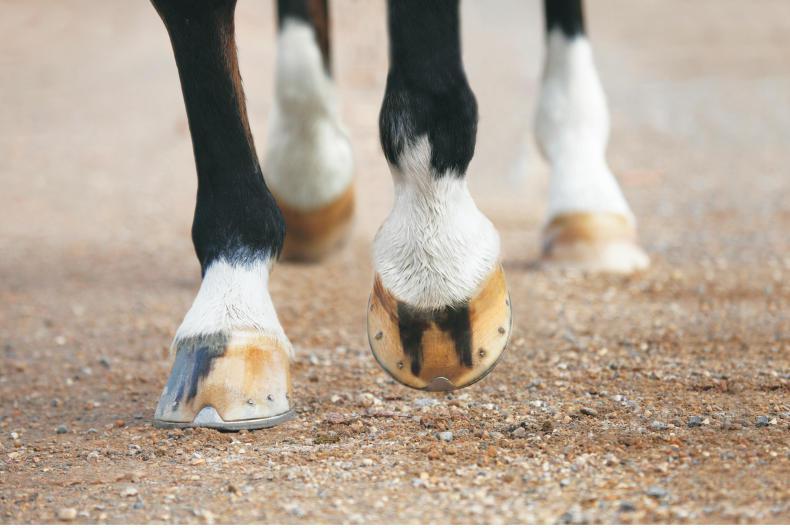
Why Healthy Hooves Are the Foundation of Equine Health
The saying "no hoof, no horse" has long emphasized the critical role of hoof health in a horse's overall well-being. Every step a horse takes depends on strong, healthy hooves that provide support, absorb shock, and maintain balance. Whether a horse is used for recreation, competition, breeding, or ranch work, maintaining a healthy hoof is essential for comfort, mobility, and long-term performance.
Unfortunately, horses are frequently exposed to conditions that can compromise hoof health. Wet bedding, muddy paddocks, manure buildup, and poor stable hygiene create ideal environments for bacteria and fungi that contribute to common hoof diseases. According to the American Association of Equine Practitioners (AAEP), preventive hoof care including routine cleaning, regular farrier visits, and proper stable management is one of the most effective ways to reduce the risk of hoof-related problems. Likewise, the University of Kentucky Equine Extension emphasizes that proper hoof hygiene is fundamental to maintaining soundness and preventing infectious hoof conditions.
Rather than waiting for problems to develop, horse owners can protect long-term equine health through consistent preventive care. Klean Farm Solutions supports this proactive approach by providing innovative hoof hygiene products that help maintain cleaner, healthier hooves and safer stable environments.
Understanding Horse Hoof Health
A horse's hoof is a highly specialized structure designed to carry substantial weight while absorbing the impact generated during movement. It consists of the hoof wall, sole, frog, heel, and internal tissues that work together to support balance, circulation, and shock absorption.
Healthy hoof tissue continually grows and regenerates, but its condition depends heavily on daily management. Moisture balance, proper nutrition, regular trimming, and effective hygiene all contribute to maintaining strong hoof integrity. When these factors are neglected, the hoof becomes more susceptible to cracks, infections, and structural damage.
Routine hoof care involves much more than occasional trimming. Daily cleaning removes mud, manure, stones, and organic debris that may trap moisture and encourage bacterial growth. Combined with regular farrier care, these practices help preserve hoof strength and reduce the likelihood of disease.
Common Hoof Diseases in Horses
Several hoof conditions can affect horse health, particularly when hygiene and environmental management are inadequate.
One of the most common conditions is thrush, a bacterial infection that typically develops in the frog of the hoof under damp, dirty conditions. Early signs include a foul odor, black discharge, and deterioration of the frog tissue. If left untreated, thrush can cause discomfort and interfere with normal movement.
Another concern is white line disease, which occurs when bacteria or fungi invade the inner hoof wall through weakened or damaged areas. This infection gradually separates the hoof wall from underlying structures, potentially leading to lameness if not addressed promptly.
Hoof abscesses are also common and often result from bacteria entering the hoof through cracks, punctures, or bruised tissue. These infections can develop quickly and cause severe pain until properly treated.
Excessive moisture presents another challenge by softening the hoof and increasing the likelihood of cracks, bruising, and bacterial invasion. Maintaining clean, dry conditions is therefore essential for preventing many common hoof disorders.
How Healthy Hooves Help Prevent Disease
Maintaining a healthy hoof significantly reduces the likelihood of bacterial and fungal infections while supporting long-term equine soundness. Clean, well-maintained hooves provide a stronger natural barrier against environmental contaminants that commonly lead to hoof disease.
Routine hoof cleaning removes manure, mud, stones, and debris before microorganisms have an opportunity to multiply. Keeping hooves dry also helps preserve the strength of the hoof wall and frog while discouraging the moist conditions favored by disease-causing bacteria.
Regular hoof inspections allow horse owners to identify cracks, unusual odors, tenderness, or soft tissue changes before they develop into more serious problems. Early intervention often prevents costly veterinary treatment and minimizes downtime for performance horses.
Preventive hoof care not only protects hoof integrity but also supports better mobility, comfort, and overall equine welfare throughout every stage of a horse's life.
Environmental Factors That Affect Hoof Health
The environment surrounding a horse has a major influence on hoof condition. Even healthy horses can develop hoof problems when exposed to excessive moisture, poor sanitation, or contaminated footing.
Muddy paddocks and wet turnout areas soften hoof tissue and create favorable conditions for bacterial growth. Inside barns, manure accumulation and damp bedding further increase exposure to microorganisms that contribute to thrush and other hoof infections.
Poor drainage around feeding and watering stations can keep hooves continuously wet, while inadequate stable ventilation allows moisture to linger inside stalls. Seasonal weather changes also affect hoof health, with prolonged rainfall increasing moisture exposure and dry summers sometimes leading to brittle hoof walls.
Maintaining clean stalls, dry bedding, and well-drained turnout areas plays an important role in preserving hoof integrity and preventing disease.
Best Practices for Maintaining Healthy Hooves
Successful hoof care depends on consistency rather than occasional treatment. Establishing a routine hoof maintenance program helps protect horses from common hoof problems throughout the year.
Recommended practices include:
- Picking out hooves every day.
- Scheduling routine farrier trimming and balancing.
- Keeping stalls clean and bedding dry.
- Providing balanced nutrition that supports hoof growth.
- Inspecting hooves regularly for cracks, odor, swelling, or tenderness.
- Incorporating preventive hoof hygiene into daily horse care.
Together, these practices strengthen hoof health while supporting long-term comfort, mobility, and athletic performance.
Featured Product: Klean Hoof™ – Advanced Hoof Care & Hygiene Solution
Maintaining healthy hooves becomes easier when horse owners use products specifically designed to support routine hoof hygiene. Klean Hoof™ – Advanced Hoof Care & Hygiene Solution from Klean Farm Solutions is formulated to help maintain cleaner hooves while supporting long-term hoof health in a wide variety of equine environments.
Designed for horses exposed to wet paddocks, muddy trails, performance arenas, breeding facilities, and everyday stable conditions, Klean Hoof™ helps remove organic contaminants from the hoof surface while supporting routine hygiene practices. It’s easy-to-apply formula integrates seamlessly into daily hoof care without adding unnecessary complexity.
Key Features
- Supports daily hoof hygiene routines.
- Helps clean the hoof wall, sole, and frog.
- Assists with moisture and odor management.
- Suitable for horses in recreational, breeding, and performance settings.
- Easy to incorporate into routine hoof maintenance.
Benefits for Horse Owners
Regular use of Klean Hoof™ Advanced Hoof Care & Hygiene Solution, alongside daily hoof cleaning, routine farrier care, and proper stable management, helps support cleaner hoof structures, healthier frog tissue, improved hoof hygiene, and long-term hoof soundness. As part of a preventive care program, it enables horse owners to maintain healthier hooves while promoting overall equine comfort and performance.
The Connection Between Stable Hygiene and Healthy Hooves
A horse's environment plays a major role in maintaining a healthy hoof. Even the best hoof care routine cannot fully protect horses if stalls, paddocks, and turnout areas remain damp or contaminated. Wet bedding, manure accumulation, and poor drainage create ideal conditions for bacteria and fungi that contribute to hoof diseases such as thrush and white line disease.
Maintaining clean stalls through daily manure removal, dry bedding replacement, and proper ventilation significantly reduces exposure to harmful microorganisms. Well-drained paddocks and regularly cleaned feeding and watering areas also help minimize prolonged moisture exposure that can soften hoof tissue. Together, these practices create a healthier environment that supports strong hoof integrity and overall equine wellness.
Monitoring Hoof Health Throughout the Year
Preventive hoof care depends on routine observation. Daily hoof inspections allow horse owners to detect small changes before they become serious health concerns.
During cleaning, owners should look for cracks, unusual odors, black discharge, swelling, tenderness, loose hoof walls, or signs of excessive moisture. Changes in a horse's gait, reluctance to move, or uneven weight bearing may also indicate developing hoof problems that require attention.
Seasonal conditions should also be considered. Rainy weather often increases the risk of bacterial infections due to prolonged moisture exposure, while hot, dry conditions may cause hooves to become brittle and crack more easily. Working closely with a veterinarian and qualified farrier ensures that hoof care programs remain effective throughout the year.
Routine monitoring allows horse owners to identify potential issues early, helping maintain healthier hooves while reducing the likelihood of expensive treatments or extended recovery periods.
Long-Term Benefits of Maintaining Healthy Hooves
Consistently maintaining a healthy hoof provides lasting benefits that extend far beyond preventing infections. Strong, well-maintained hooves support proper movement, improve comfort, and allow horses to perform at their full potential throughout their lives.
Healthy hooves reduce the risk of lameness, improve weight distribution, and enhance overall mobility, whether horses are used for recreation, breeding, competition, or daily work. Preventive hoof care also minimizes veterinary expenses by reducing the occurrence of common hoof diseases and associated treatments.
Additional long-term benefits include:
- Improved mobility and soundness
- Lower risk of hoof disease and lameness
- Better athletic performance
- Greater comfort during daily movement
- Reduced veterinary and treatment costs
- Stronger hoof durability
- Improved overall equine welfare
- Longer-term performance and productivity
By investing in routine hoof hygiene and preventive care, horse owners help protect one of their horse's most valuable assets.
Healthy Hooves Start with Preventive Care
Maintaining a healthy hoof is one of the most important responsibilities of horse ownership. Strong, clean hooves support balance, mobility, athletic performance, and long-term soundness while helping reduce the risk of common hoof diseases.
Preventive care begins with daily hoof cleaning, regular farrier visits, proper nutrition, and maintaining clean, dry stables. Together, these practices create an environment where horses can remain healthy, comfortable, and active throughout every stage of life.
Klean Farm Solutions supports horse owners with practical hoof hygiene solutions like Klean Hoof Advanced Hoof Care & Hygiene Solution, designed to complement daily hoof maintenance and stable management. By incorporating preventive hygiene into a consistent care routine, owners can promote healthier hooves, reduce disease risks, and support long-term equine well-being.
Healthy horses truly begin from the ground up, and proactive hoof care is one of the best investments owners can make in their animals' health and performance.
FAQs Section:
1. Why is a healthy hoof important for horses?
Healthy hooves provide support, balance, shock absorption, and mobility while helping prevent lameness and hoof disease.
2. What are the most common hoof diseases in horses?
Common conditions include thrush, white line disease, hoof abscesses, cracks, and infections caused by excessive moisture and poor hygiene.
3. How often should horse hooves be cleaned?
Hooves should be picked out and inspected daily to remove mud, manure, stones, and debris that can contribute to infection.
4. Can stable hygiene help prevent hoof disease?
Yes. Clean, dry stalls and well-maintained paddocks reduce bacterial growth and moisture exposure, helping lower the risk of hoof problems.
5. How does Klean Hoof™ support healthy hoof care?
Klean Hoof™ helps support routine hoof hygiene by promoting cleaner hoof surfaces and complementing daily cleaning, farrier care, and stable management.
- Technology for Students
- Admissions & Applications
- Online Courses
- Career and Jobs
- Campus Life
- Drinks
- Film
- Fitness
- Food
- Games
- Gardening
- Health
- Home
- Literature
- Music
- Networking For Students
- Insights
- Party
- Religion
- Shopping
- Sports
- Theater
- Wellness
- Education News
- Business & Finance For Students
- Security, Law & Crime Education
- Insurance
- Science & Technology For Students
 English
 Arabic
 French
 Spanish
 Portuguese
 Deutsch
 Turkish
 Dutch
Dutch
 Italiano
 Russian
 Romaian
 Portuguese (Brazil)
 Greek
Greek