


Does Chondroitin Sulfate Powder Help with Osteoarthritis? What Science Says
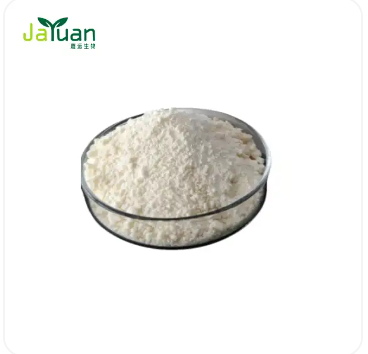
The quest for effective joint management often leads individuals to explore various supplements, with chondroitin sulfate powder frequently appearing at the forefront of the conversation. Science suggests that this naturally occurring molecule is far more than just a placebo; it serves as a fundamental building block of human connective tissues. When addressing the complexities of osteoarthritis, researchers look at how exogenous administration of this compound can mitigate the gradual degradation of articular cartilage. While the debate regarding its efficacy has persisted for decades, contemporary meta-analyses indicate that high-quality, pharmaceutical-grade versions of this powder can significantly reduce pain and improve functional mobility in patients suffering from moderate joint degeneration. Rather than providing an immediate analgesic effect similar to non-steroidal anti-inflammatory drugs, it functions as a symptomatic slow-acting drug for osteoarthritis. By replenishing the glycosaminoglycan levels within the joint matrix, it assists in maintaining the osmotic pressure required to keep cartilage hydrated and resilient. Understanding the nuances of how chondroitin sulfate powder interacts with biological pathways is essential for anyone seeking a long-term strategy for musculoskeletal health. Science increasingly points toward its role as a protective agent that stabilizes the joint environment and potentially slows the progression of structural damage over time.
Deciphering the Molecular Architecture of Cartilage Support
Maintaining Cartilage Resilience and Viscoelasticity
Cartilage serves as the body’s internal shock absorber, a role facilitated by the presence of large molecules called proteoglycans. Chondroitin sulfate is a primary component of these structures, acting as a magnet for water molecules. This hydration is paramount for the viscoelastic properties of the joint, allowing it to withstand compressive forces during physical activity. When the concentration of this molecule diminishes due to age or injury, the cartilage becomes brittle and prone to erosion. Supplementing with chondroitin sulfate powder helps restore this vital fluid balance, ensuring that the joint remains lubricated and capable of distributing mechanical stress across the articular surface efficiently. This process is essential for preventing the bone-on-bone friction that characterizes advanced osteoarthritis.
Modulation of Inflammatory and Proteolytic Pathways
Beyond its structural role, this compound exhibits significant biological activity by modulating cellular signaling. It has been observed to inhibit the production of pro-inflammatory cytokines and enzymes such as matrix metalloproteinases, which are responsible for breaking down the cartilage matrix. By attenuating these destructive processes, the powder helps maintain the homeostasis between tissue synthesis and degradation. This biochemical stabilization is a key reason why many clinicians recommend it as a preventative measure. Instead of merely masking symptoms, the intervention targets the underlying inflammatory milieu that drives the disease forward, offering a more comprehensive approach to joint preservation than simple pain relievers.
Examining the Clinical Evidence for Osteoarthritis Relief
Insights from Large-Scale Meta-Analyses and Trials
Rigorous scientific inquiries, such as the Glucosamine/Chondroitin Arthritis Intervention Trial (GAIT), have provided profound insights into the clinical utility of chondroitin sulfate powder. While early studies showed mixed results, more recent evaluations focusing on standardized, high-purity formulations demonstrate a clear trend toward symptom reduction. Specifically, patients experiencing moderate-to-severe pain often report a meaningful decrease in discomfort and stiffness when the supplement is taken consistently over several months. These findings align with European guidelines that recognize the substance as a viable therapeutic option. The gradual onset of benefits suggests that the compound works through cumulative physiological shifts rather than rapid chemical suppression, necessitating patience and adherence from the user for optimal outcomes.
Impact on Structural Progression and Radiographic Changes
One of the most compelling aspects of recent research is the potential for "structure-modifying" effects. Longitudinal studies utilizing magnetic resonance imaging and X-ray technology have explored whether long-term use can actually narrow the rate of joint space loss. Evidence indicates that individuals who incorporate high-grade powder into their regimen may exhibit less cartilage volume loss over two-year periods compared to those receiving a placebo. This suggests that the intervention might alter the natural history of osteoarthritis, preserving the joint's integrity for a longer duration. While it is not a "cure," the ability to delay the need for invasive surgical procedures like joint replacements marks a significant milestone in non-pharmacological orthopedic care.
Optimizing Bioavailability and Nutrient Synergy
The Glucosamine-Chondroitin Combination Paradox
A frequent point of discussion in nutritional science is the synergy between glucosamine and chondroitin sulfate powder. These two compounds are often paired because they target different aspects of the cartilage repair cycle. Glucosamine acts as a precursor for glycosaminoglycan synthesis, while chondroitin provides the structural framework and inhibits degradation. Clinical observations suggest that while each can be effective individually, their combined use may produce a more robust therapeutic effect for certain patient populations. This synergistic relationship enhances the overall efficacy of the supplement, providing a multi-faceted defense against the degenerative processes of osteoarthritis. Utilizing a high-purity source ensures that both components are absorbed efficiently, maximizing the biological impact on the targeted joint tissues.
Maximizing Absorption through Purity and Proper Dosage
The efficacy of any supplement is heavily dependent on its bioavailability—the degree to which the active ingredient enters the bloodstream and reaches the target site. Low-quality products often contain large molecules that are difficult for the digestive system to process. In contrast, refined chondroitin sulfate powder with a specific molecular weight profile is more readily assimilated by the body. Standardized dosages typically ranging from 800mg to 1200mg daily have been shown to be the most effective in clinical settings. Consistency is the cornerstone of success, as the concentration of the compound needs to reach a steady state within the synovial fluid to exert its protective and restorative effects on the chondrocytes and extracellular matrix.
Navigating Safety Thresholds and Quality Standards
Assessing Adverse Reactions and Contraindications
Safety is a significant advantage when considering chondroitin sulfate powder as a long-term management strategy. Scientific literature consistently highlights its excellent safety profile, with adverse effects being remarkably rare and generally limited to mild gastrointestinal discomfort. Unlike chronic use of non-steroidal anti-inflammatory drugs, which can lead to cardiovascular or renal complications, this natural extract offers a much gentler alternative for the body. It is important for individuals on blood-thinning medications to consult with healthcare professionals, as the compound has a chemical structure similar to heparin, though its anticoagulant effect is minimal at standard doses. This high level of tolerability makes it an attractive option for elderly patients who may already be managing multiple health conditions.
Integrating Supplements into a Holistic Recovery Plan
Relying solely on supplements is rarely the most effective path; instead, they should be integrated into a broader wellness framework. This includes weight management to reduce mechanical load on the knees and hips, as well as targeted physical therapy to strengthen supporting musculature. When chondroitin sulfate powder is used as a foundation, these other interventions often become more effective because the joint environment is less inflamed and more resilient. Choosing a supplier that adheres to stringent manufacturing protocols is vital for ensuring the absence of contaminants and the presence of the stated active ingredients. By prioritizing purity and scientific validation, users can confidently incorporate this powerful botanical derivative into their daily routine for enhanced longevity and movement.
Xi'an Jiayuan Bio-Tech is a high-tech enterprise integrating scientific research, production and sales. The company is located in Xi 'an Hi-Tech Industrial Development Zone, Shaanxi Province mainly producing and operating natural plant extracts. Xi'an Jiayuan Bio-Tech is a professional chondroitin sulfate powder manufacturer and supplier in China. If you are interested in chondroitin sulfate powder, please feel free to discuss with us. Our commitment to excellence ensures that every batch of our product meets the rigorous standards required for clinical efficacy and consumer safety.
References:
1. Clegg, D. O., et al. (2006). Glucosamine, chondroitin sulfate, and the two in combination for painful knee osteoarthritis. New England Journal of Medicine.
2. Reginster, J. Y., et al. (2017). Recommendations for the management of knee osteoarthritis in Italy: the 2016 update. Seminars in Arthritis and Rheumatism.
3. Hochberg, M. C., et al. (2016). Combined chondroitin sulfate and glucosamine for painful knee osteoarthritis: a multicentre, randomised, double-blind, non-inferiority trial versus celecoxib. Annals of the Rheumatic Diseases.
4. Henrotin, Y., et al. (2014). Chondroitin sulfate in the management of osteoarthritis: from in vitro studies to clinical evidence. Therapeutic Advances in Musculoskeletal Disease.
5. McAlindon, T. E., et al. (2014). OARSI guidelines for the non-surgical management of knee osteoarthritis. Osteoarthritis and Cartilage.
6. Fransen, M., et al. (2015). Glucosamine and chondroitin for knee osteoarthritis: a double-blind randomised placebo-controlled clinical trial using combined outcomes. Annals of the Rheumatic Diseases.
- Technology for Students
- Admissions & Applications
- Online Courses
- Career and Jobs
- Campus Life
- Drinks
- Film
- Fitness
- Food
- Games
- Gardening
- Health
- Home
- Literature
- Music
- Networking For Students
- Insights
- Party
- Religion
- Shopping
- Sports
- Theater
- Wellness
- Education News
- Business & Finance For Students
- Security, Law & Crime Education
- Insurance
- Science & Technology For Students
 English
 Arabic
 French
 Spanish
 Portuguese
 Deutsch
 Turkish
 Dutch
Dutch
 Italiano
 Russian
 Romaian
 Portuguese (Brazil)
 Greek
Greek