


How Shotcrete Contractors Overcome Difficult Access and Complex Geometry in Large-Scale Construction Projects
Introduction
Large-scale construction projects often involve challenging working environments where traditional concrete placement methods are difficult to implement. Uneven surfaces, steep slopes, confined spaces, curved structures, tunnels, retaining walls, and restricted access areas can create significant obstacles for construction teams. In these situations, shotcrete provides an effective solution because it allows concrete to be applied pneumatically through a specialised spraying process. This method offers greater flexibility when working on complex structures and surfaces that are difficult to reach using conventional concrete techniques.
Professional Shotcrete Mackay services play an important role in supporting construction projects that require specialised concrete placement, structural reinforcement, and ground stabilisation. By combining modern spraying equipment, skilled operators, and carefully planned application techniques, shotcrete contractors can complete demanding projects while maintaining structural strength, durability, and construction efficiency.
1. Understanding the Challenges of Difficult Construction Access
One of the biggest challenges in large-scale construction is reaching areas where conventional concrete equipment cannot operate efficiently. Construction sites may include narrow passages, steep embankments, underground structures, elevated surfaces, and restricted working zones. Transporting concrete, installing formwork, and positioning heavy equipment in these locations can increase project complexity.
Shotcrete helps overcome these challenges by delivering concrete through a hose directly to the required surface. This allows operators to apply material in areas where traditional pouring methods may be impractical. Depending on site conditions, contractors can use specialised hoses, pumping systems, scaffolding, or access platforms to reach difficult locations.
For projects requiring Shotcrete Mackay solutions, proper access planning helps contractors identify potential obstacles before application begins. This improves site organisation, reduces unnecessary equipment movement, and supports a safer construction process.
2. Working with Complex Shapes and Irregular Surfaces
Modern construction projects frequently involve architectural and structural designs that include curved walls, rounded surfaces, irregular foundations, tunnels, and uniquely shaped concrete structures. Building these features using conventional concrete methods may require extensive formwork, additional labour, and complicated installation procedures.
Shotcrete provides flexibility because it can be sprayed directly onto prepared surfaces. Its application method allows contractors to follow different contours and angles while building the required concrete thickness. This makes it suitable for structures that cannot easily accommodate standard rectangular formwork.
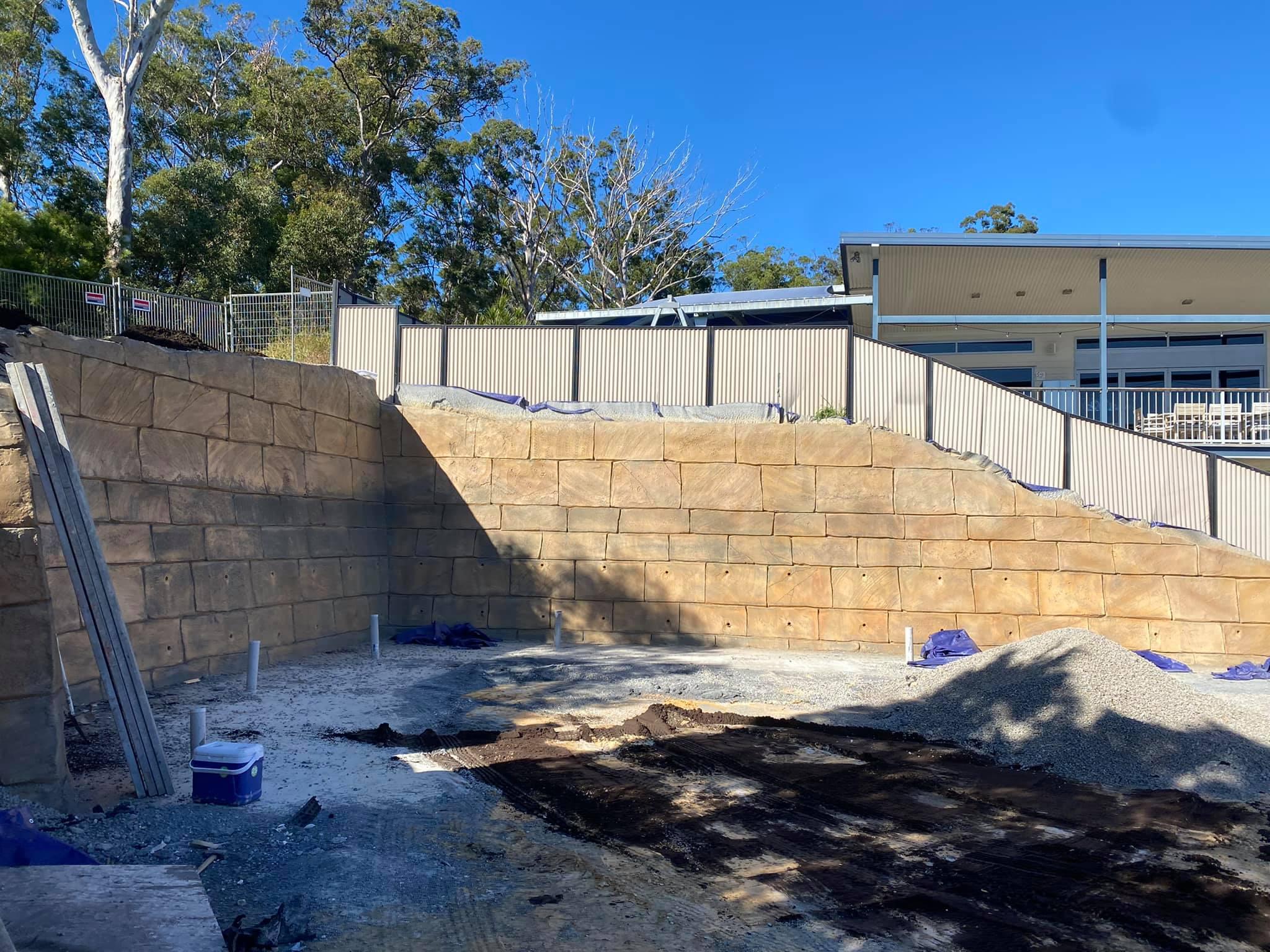
For example, shotcrete can be used in curved retaining walls, swimming pool structures, tunnels, drainage channels, and specialised architectural features. Experienced operators carefully control the spraying direction, distance, and application thickness to achieve the required coverage.
This adaptability makes shotcrete a valuable option for construction projects involving unusual geometries and challenging structural designs.
3. Selecting the Right Shotcrete Application Method
Choosing the correct application technique is essential when working in restricted or complicated construction environments. Shotcrete is generally applied using two primary methods: wet-mix and dry-mix.
Wet-Mix Shotcrete
Wet-mix shotcrete involves combining cement, aggregates, water, and other approved materials before pumping the mixture through a delivery hose. Compressed air is introduced near the nozzle to project the concrete onto the prepared surface.
This method is suitable for projects requiring consistent material delivery and larger application volumes. It can be particularly useful for tunnels, retaining walls, structural reinforcement, and extensive concrete surfaces.
Dry-Mix Shotcrete
Dry-mix shotcrete involves transporting a dry mixture through a hose and introducing water at the nozzle. The operator controls the water supply during application to achieve the appropriate consistency.
This approach can offer flexibility for smaller projects, specialised repairs, and locations where material delivery requirements make wet-mix application less practical.
Professional contractors assess project size, access conditions, material requirements, and structural specifications before selecting the most appropriate method.
4. Using Specialised Equipment for Restricted Areas
Equipment selection directly affects the success of shotcrete application in difficult construction environments. Large projects may involve narrow access routes, uneven ground, limited working platforms, or elevated structural surfaces. Standard equipment may not be suitable for every situation.
Contractors use specialised shotcrete pumps, spraying hoses, compressors, robotic equipment, and nozzle systems to improve material delivery and application control. Robotic shotcrete equipment can be particularly beneficial in certain large-scale projects because it allows operators to spray concrete from a safer distance while maintaining consistent coverage.
Flexible hoses also help workers reach corners, vertical surfaces, and areas behind structural obstacles. Depending on the project, contractors may use mobile platforms, scaffolding, or lifting equipment to position application systems correctly.
For Shotcrete Mackay projects, selecting equipment according to site conditions helps reduce operational difficulties and supports efficient concrete placement.
5. Managing Concrete Thickness on Complex Structures
Maintaining the correct concrete thickness is another important consideration when working with irregular surfaces. Different sections of a structure may require different application depths depending on engineering specifications and structural requirements.
When concrete is sprayed onto vertical or overhead surfaces, poor application techniques can result in sagging, excessive rebound, or uneven coverage. These problems may affect material efficiency and the quality of the finished structure.
Experienced shotcrete operators manage these challenges by controlling nozzle movement, spraying distance, application angle, and material flow. Concrete is generally applied in carefully managed layers where required to achieve the specified thickness.
Contractors may also use reinforcement mesh, steel bars, or other engineered reinforcement systems to improve structural performance. These components must be positioned and covered according to approved construction drawings and engineering requirements.
6. Overcoming Challenges in Slope Stabilisation
Steep slopes and unstable ground conditions can create serious construction challenges. Heavy rainfall, soil movement, erosion, and changing ground conditions may affect the stability of embankments and excavated areas.
Shotcrete is commonly used in engineered slope stabilisation systems to create a protective concrete layer over prepared surfaces. It can help reduce surface erosion and protect exposed ground when combined with appropriate drainage, reinforcement, soil nails, rock bolts, and other stabilisation measures.
The application process requires careful planning because slopes often have uneven surfaces and limited equipment access. Contractors must assess the ground conditions, prepare the surface, and determine the appropriate reinforcement and drainage arrangements.
In Mackay and surrounding Queensland regions, construction teams may encounter environmental conditions that require careful consideration of rainfall, moisture, and ground stability. Properly designed shotcrete systems can help address these challenges while supporting the long-term performance of infrastructure.
7. Maintaining Safety in Difficult Working Environments
Safety is a major priority when applying shotcrete in large-scale construction projects. Workers may operate near elevated structures, steep slopes, underground areas, heavy machinery, and pressurised delivery systems.
Restricted access can make these environments even more challenging. Contractors must establish suitable work zones, inspect equipment, and ensure operators understand the correct application procedures.
Important safety measures include:
-
Providing appropriate personal protective equipment for workers.
-
Inspecting hoses, pumps, compressors, and connections before operation.
-
Establishing safe exclusion zones around spraying activities.
-
Using suitable access platforms and fall protection systems.
-
Managing dust, noise, and airborne concrete particles.
-
Providing adequate ventilation in enclosed and underground areas.
-
Following approved site safety procedures and engineering requirements.
Robotic application systems may also reduce the need for workers to remain close to certain hazardous spraying areas.
8. Improving Construction Efficiency and Reducing Formwork Requirements
Traditional concrete construction often requires extensive formwork to contain wet concrete until it reaches sufficient strength. Installing formwork around irregular shapes, steep surfaces, and restricted areas can be time-consuming and expensive.
Shotcrete reduces the need for conventional formwork because concrete is projected directly onto the prepared surface. This can simplify construction activities and make complex structural designs easier to complete.
Reducing formwork requirements may also decrease material handling, labour demands, and equipment movement. However, the overall savings depend on project size, design complexity, site accessibility, and the selected application method.
For large-scale infrastructure and commercial developments, these advantages can help contractors manage construction schedules more effectively without compromising required engineering standards.
9. Ensuring Quality Control and Long-Term Durability
Quality control is essential to achieving reliable results from shotcrete applications. Even when modern equipment and experienced operators are available, poor surface preparation, incorrect material proportions, unsuitable application techniques, or inadequate curing can affect the final structure.
Before spraying begins, contractors should inspect the substrate and remove loose material, dust, oil, and other contaminants that could interfere with bonding. Reinforcement placement and surface conditions should also be checked against project specifications.
During application, quality control may involve monitoring material consistency, nozzle distance, spraying pressure, concrete thickness, and rebound. Depending on the project requirements, testing may include compressive strength assessments, thickness verification, and inspection of hardened concrete.
Proper curing is equally important because it helps maintain suitable moisture conditions during early concrete strength development. Following approved curing procedures can reduce the risk of excessive shrinkage and surface cracking.
Professional Shotcrete Mackay contractors should follow relevant engineering specifications and applicable Australian Standards to support consistent quality and long-term structural performance.
10. Choosing Experienced Shotcrete Contractors in Mackay
Selecting an experienced contractor is important for projects involving difficult access, unusual structural shapes, and demanding construction conditions. Shotcrete application requires specialised equipment, practical knowledge, and trained operators who understand how concrete behaves during spraying.
Before choosing a contractor, project managers should consider several factors:
-
Previous experience with large-scale shotcrete applications.
-
Availability of suitable pumping and spraying equipment.
-
Knowledge of wet-mix and dry-mix techniques.
-
Experience with retaining walls, slope stabilisation, and structural applications.
-
Understanding of site safety and quality control requirements.
-
Ability to work according to engineering drawings and project specifications.
A reliable contractor should also understand the importance of site inspections, preparation, material selection, and communication throughout the construction process.
Working with qualified professionals helps ensure that the selected shotcrete system is appropriate for the project's structural and environmental requirements.
Conclusion
Difficult access and complex geometry can make large-scale construction projects challenging, particularly when conventional concrete placement methods are unsuitable. Shotcrete offers a flexible alternative by allowing concrete to be sprayed directly onto vertical, curved, overhead, and irregular surfaces. With specialised equipment, experienced operators, appropriate reinforcement, and effective quality control, contractors can complete demanding applications more efficiently.
From slope stabilisation and retaining walls to tunnels, underground structures, and specialised concrete surfaces, shotcrete supports a wide range of construction requirements. For developers and project managers seeking dependable Shotcrete Mackay solutions, choosing experienced contractors and ensuring proper application procedures are essential steps towards achieving durable, structurally sound, and professionally completed construction projects.
- Technology for Students
- Admissions & Applications
- Online Courses
- Career and Jobs
- Campus Life
- Drinks
- Film
- Fitness
- Food
- Παιχνίδια
- Gardening
- Health
- Κεντρική Σελίδα
- Literature
- Music
- Networking For Students
- Insights
- Party
- Religion
- Shopping
- Sports
- Theater
- Wellness
- Education News
- Business & Finance For Students
- Security, Law & Crime Education
- Insurance
- Science & Technology For Students
 Greek
 English
 Arabic
 French
 Spanish
 Portuguese
 Deutsch
 Turkish
 Dutch
 Italiano
 Russian
 Romaian
 Portuguese (Brazil)