


Beauty Product Design for Fast and Easy Makeup
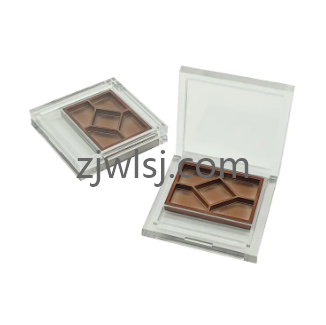
Convenience and application consistency are increasingly important considerations in the development of modern beauty products. Eyeshadow Stamps represent a creative approach to eye makeup application, offering consumers an alternative to traditional methods of applying and blending cosmetic colors. These products are generally designed around a shaped applicator or stamping surface that transfers cosmetic color onto a selected area of the eyelid. Their design combines functional application components with packaging that supports storage, handling, and product presentation.
The main concept behind a cosmetic stamping tool is to provide a defined contact surface for applying makeup. Depending on the product design, the applicator may feature a particular shape intended to create a recognizable color pattern or placement effect. The handle or supporting structure allows users to hold and position the applicator during use. Some products are designed as independent tools, while others combine the applicator with a cosmetic container or integrated color compartment. The appropriate configuration depends on the intended application and target consumer.
Product structure plays a major role in usability. An applicator should be comfortable to hold and easy to position around the eye area. Its contact surface needs to correspond with the desired makeup effect, while the supporting body should provide sufficient control during application. Different shapes may be developed for simple color placement, decorative patterns, or more specialized makeup styles. Designers should evaluate the relationship between the applicator dimensions, surface geometry, and the amount of cosmetic product transferred during use.
Material selection depends on the function of each component. Plastic materials may be suitable for handles, housings, and structural supports because they can be molded into different shapes. ABS and other commonly used plastics may be considered according to the required rigidity and design. Soft applicator surfaces may require different materials depending on their intended contact function. The complete product should be evaluated in relation to material compatibility, manufacturing feasibility, cleaning requirements, and expected consumer handling.
Injection molding can be used to manufacture plastic housings and structural components. The mold needs to accommodate the intended shape, wall thickness, assembly points, and surface details. Accurate dimensions are important when multiple components must fit together. For example, an applicator holder or protective cover should be designed around the actual dimensions of the working component. During development, manufacturers can evaluate whether the proposed geometry is suitable for molding and whether any structural adjustments are necessary.
The design of the stamping surface deserves particular attention. Its shape, size, and contact characteristics influence how the cosmetic is transferred. A surface that is too large may make precise application difficult, while an unsuitable shape may not produce the intended visual result. The product concept should therefore be evaluated through physical samples rather than relying only on drawings or digital models. Testing can help identify whether the applicator is comfortable to position and whether its shape corresponds with the intended makeup technique.
Packaging also influences the product experience. Protective covers can help reduce unnecessary contact with the applicator surface during storage. A compact housing may make the product easier to carry in a makeup bag, while an organized internal arrangement can keep accessories together. Depending on the design, packaging may include space for cosmetic refills or complementary application tools. The package should protect the components without making the product unnecessarily large or difficult to open.
Visual presentation is another consideration for beauty brands introducing new application concepts. Color selection, surface finishing, logo placement, and packaging shape can help communicate the intended product positioning. Plastic components may support different decorative approaches, including spray painting, screen printing, and hot stamping, depending on the material and surface requirements. A consistent visual design across the tool and its packaging can make the product more recognizable in retail displays and online product listings.
From a commercial perspective, brands should evaluate consumer demand, application purpose, product dimensions, manufacturing complexity, and target retail pricing before developing a new stamping product. Buyers should also consider how the item will be packaged, assembled, stored, and shipped. If the product includes cosmetic formulations, the relationship between the formula and the applicator material should be evaluated. Packaging and applicator components must be suitable for the intended product rather than selected independently.
Customization can help businesses develop distinctive cosmetic accessories for different markets. Depending on manufacturing feasibility, customization may include applicator shapes, housing colors, decorative graphics, structural details, and packaging configurations. Buyers should provide product drawings or physical references when possible. Manufacturers can then review the design and discuss suitable materials, molds, and production arrangements. Zhejiang Weili Plastic Co., Ltd. provides plastic cosmetic packaging development and manufacturing services, including mold development, injection molding, and secondary processing.
Quality assessment should include component dimensions, assembly accuracy, surface condition, applicator positioning, and the reliability of protective structures. Product samples should also be evaluated under realistic application conditions to determine whether the intended function is achieved. For brands considering Eyeshadow Stamps as part of a new beauty collection, early coordination between product designers, applicator developers, and packaging manufacturers can help reduce development problems. Related cosmetic packaging structures and manufacturing possibilities can be explored at https://www.zjwlsj.com/product/eye-shadow-palette/shadow-palette-1-grid/.
- Technology for Students
- Admissions & Applications
- Online Courses
- Career and Jobs
- Campus Life
- Drinks
- Film
- Fitness
- Food
- Игры
- Gardening
- Health
- Главная
- Literature
- Music
- Networking For Students
- Insights
- Party
- Religion
- Shopping
- Sports
- Theater
- Wellness
- Education News
- Business & Finance For Students
- Security, Law & Crime Education
- Insurance
- Science & Technology For Students
 Russian
 English
 Arabic
 French
 Spanish
 Portuguese
 Deutsch
 Turkish
 Dutch
 Italiano
 Romaian
 Portuguese (Brazil)
 Greek