


Can minidumperfactory Support Different Dealer Requirements?
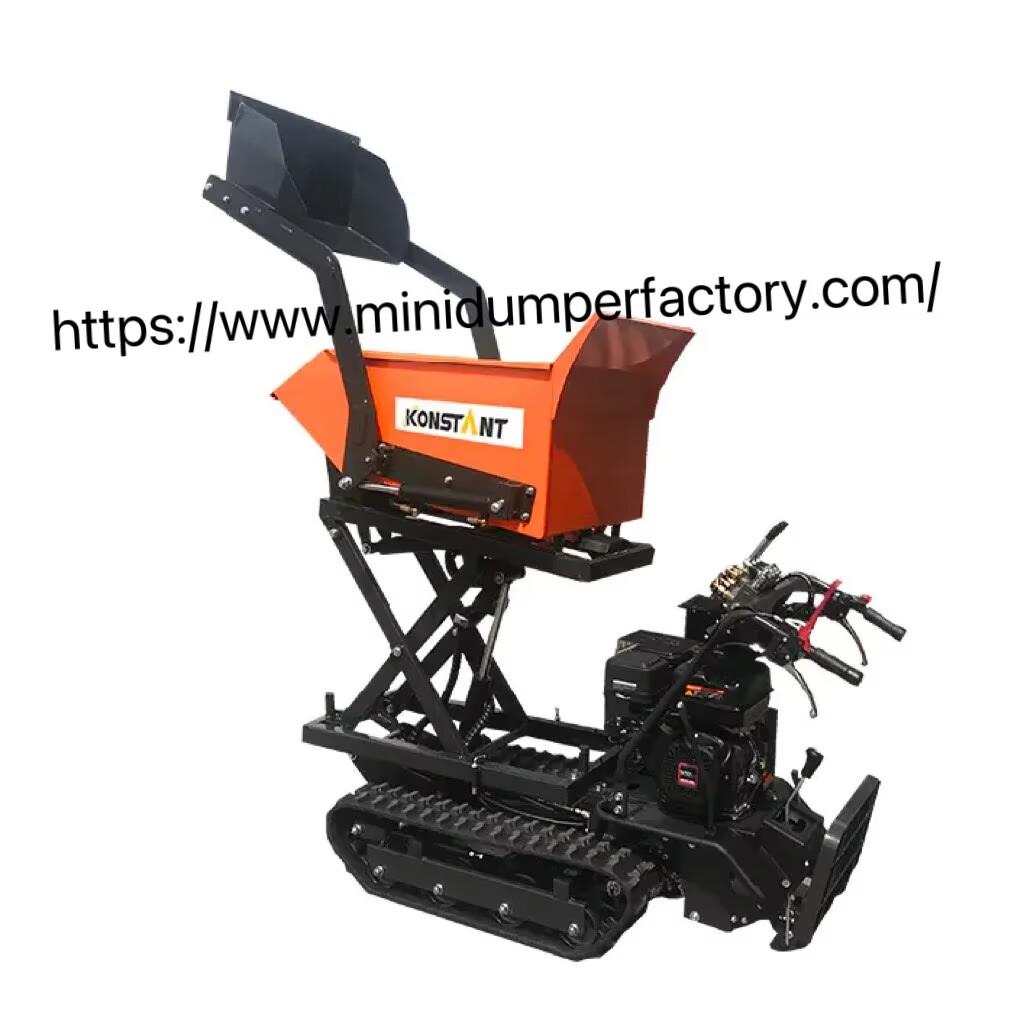
Power Barrow Factory selection requires more than comparing quotations and product photographs. For importers, wholesalers, distributors, and construction businesses, the purchasing process should include an evaluation of production arrangements, component specifications, sample approval, inspection procedures, and shipment preparation. Buyers who understand these details can communicate their requirements more clearly and reduce misunderstandings during commercial cooperation. A practical purchasing checklist also helps businesses assess whether a production partner can support their intended market and future order plans.
Identify the Main Requirements of Your Customers
Before selecting equipment, buyers should understand the needs of their target customers. Construction contractors may transport soil, gravel, sand, bricks, and building debris. Landscaping businesses may need machines for moving plants, stones, mulch, and garden waste. Agricultural customers may have different requirements depending on their daily transportation tasks.
Consider the materials being handled, expected load, working frequency, transportation distance, and site conditions. These details help determine which models and configurations deserve further evaluation.
Distributors should also consider the preferences of their local markets. Some customers may need compact equipment for restricted spaces, while others may require larger containers or different unloading arrangements.
Understanding these requirements before requesting a quotation makes product discussions more focused.
Examine the Main Structural Components
The machine structure deserves careful attention during product evaluation. Buyers should review the frame, container, supporting brackets, handles, connecting parts, and surface treatment.
Ask about the materials used for major components and whether alternative specifications are available. The container should also be checked for dimensions, shape, loading access, and connection structure.
For equipment intended for frequent commercial use, buyers may request photographs of important structural areas and relevant technical drawings. These materials can help purchasing teams understand the product before arranging a sample inspection.
It is also useful to ask how different components are assembled and checked during production. Clear technical information makes it easier to compare models according to actual operating requirements.
Request a Sample for Practical Evaluation
A sample provides an opportunity to examine the equipment directly. Buyers can check the overall dimensions, operating controls, handle position, container structure, tire or track arrangement, and assembly details.
If the machine includes a tipping function, review its movement and operating procedure under appropriate conditions. Check whether the unloading arrangement matches the intended working environment.
During evaluation, record any questions or requested changes. If the sample requires adjustments, communicate them before approving the final specifications.
For bulk purchases, retaining sample photographs, drawings, and written approval records can provide a useful reference for subsequent production. This is particularly helpful for distributors who expect to purchase the same model repeatedly.
Clarify Available Configurations and Accessories
Different applications may require different equipment arrangements. Buyers should ask which container sizes, travel systems, unloading options, and accessories are available.
For example, businesses working on narrow construction sites may pay particular attention to overall width and turning space. Landscaping operators may focus on compact dimensions and convenient material discharge.
Accessories should also be discussed before the quotation is finalized. Ask which items are included in the standard configuration and which require additional arrangements.
When comparing several models, prepare a specification sheet listing the required features. This helps purchasing teams identify differences and prevents important details from being overlooked.
Understand Production Scheduling and Inspection
Order preparation involves several stages, including material preparation, component assembly, installation, functional checks, and final inspection.
Buyers should ask how production schedules are arranged and how progress updates are communicated. For larger orders, it is useful to clarify whether different models can be prepared within the same schedule.
Inspection requirements should be agreed upon before production starts. A checklist may include dimensions, appearance, component installation, operating functions, accessories, and packaging condition.
If a customized design has been approved, the written specifications and sample records should be used as references during production. This helps both parties maintain a shared understanding of the order.
Discuss Branding and Packaging Requirements
Distributors and wholesalers may need customized colors, logos, nameplates, labels, manuals, and packaging. These details should be provided early so they can be reviewed before production begins.
Buyers should prepare clear artwork, color references, label dimensions, and language requirements. If multiple models are included in one purchase, separate instructions can help distinguish their individual customization details.
Packaging is another important consideration. Ask how equipment is protected during transportation, how accessories are arranged, and whether shipping marks or product identification labels can be added.
For international orders, discuss packing dimensions and loading arrangements in advance. This can help coordinate transportation and receiving operations at the destination.
Prepare a Spare Parts and Service Plan
After delivery, equipment may require routine maintenance and replacement components. Buyers should ask for information about commonly serviced parts and the method used to identify individual components.
A parts list with item descriptions, reference photographs, or identification numbers can help distributors organize local inventory. It also makes communication easier when customers need replacement components.
Before placing an order, discuss the availability of maintenance information, operating instructions, and technical assistance. If documents are required in a particular language, confirm this during the purchasing stage.
These preparations can help businesses organize customer support and manage future maintenance requirements.
Review Commercial Terms Before Confirmation
The quotation should clearly identify the model, quantity, configuration, accessories, customization, inspection arrangements, packaging, payment conditions, and delivery terms.
Buyers should compare quotations using the same specification list. Differences in included accessories, component arrangements, and shipment preparation can affect the overall purchasing cost.
For international transactions, confirm the destination, shipping method, estimated production period, and required documents. Any changes to specifications or quantities should be recorded and approved by both parties.minidumperfactory provides product information for businesses evaluating equipment options and preparing purchasing inquiries. Buyers can visit https://www.minidumperfactory.com/ to review available models and discuss their requirements. Providing the intended application, expected quantity, preferred configuration, customization details, and destination information can help establish clear purchasing specifications and support communication throughout the order process.
- Technology for Students
- Admissions & Applications
- Online Courses
- Career and Jobs
- Campus Life
- Drinks
- Film
- Fitness
- Food
- Games
- Gardening
- Health
- Home
- Literature
- Music
- Networking For Students
- Insights
- Party
- Religion
- Shopping
- Sports
- Theater
- Wellness
- Education News
- Business & Finance For Students
- Security, Law & Crime Education
- Insurance
- Science & Technology For Students
 English
 Arabic
 French
 Spanish
 Portuguese
 Deutsch
 Turkish
 Dutch
 Italiano
 Russian
 Romaian
 Portuguese (Brazil)
 Greek