


Revision Rhinoplasty Dubai: How Can Scar Tissue Influence a Second Nose Surgery?
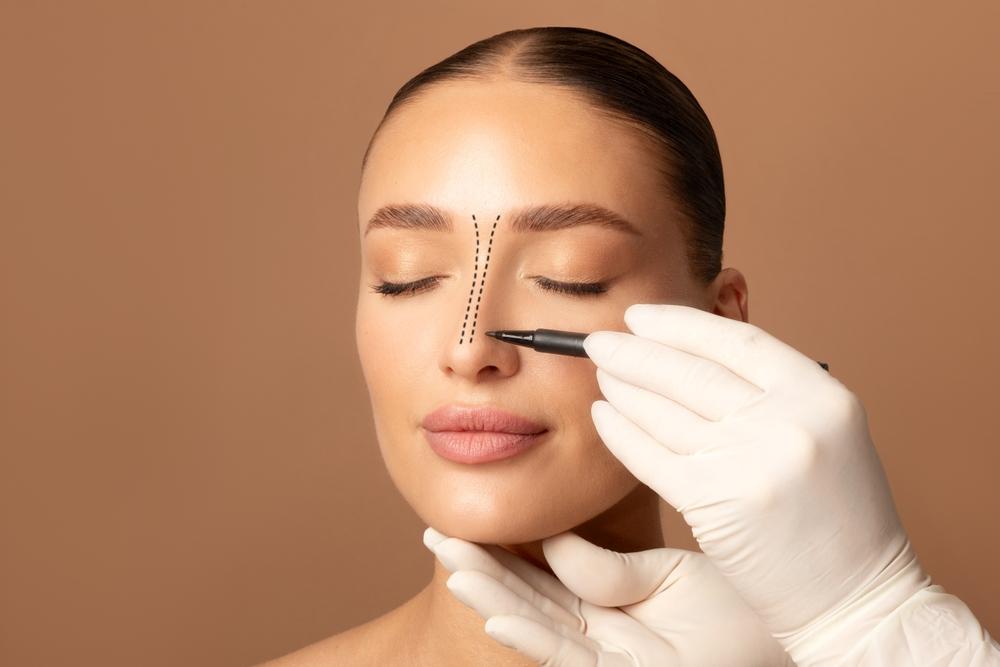
Rhinoplasty is a surgical procedure that reshapes the nose to improve facial appearance, address structural concerns, or support better breathing. Although many patients achieve their desired results after their first operation, others may experience changes that do not meet their expectations. These concerns can include uneven contours, persistent nasal asymmetry, breathing difficulties, or changes in the nasal tip. When further correction is needed, revision rhinoplasty may be considered.
One of the most important factors affecting a second nose operation is scar tissue. Every surgical procedure involves a healing process, and the formation of internal scar tissue is a natural part of recovery. However, after an initial rhinoplasty, this tissue can make the nasal structures more difficult to assess and modify. It may also affect skin flexibility, cartilage movement, and the overall shape of the nose.
For patients considering Revision rhinoplasty dubai, understanding how scar tissue influences surgical planning is essential. Dr. Shahram Sajjadi considers the condition of the existing nasal structures, previous surgical changes, and individual healing patterns when evaluating revision cases. A detailed assessment helps determine an appropriate approach for achieving balanced and natural-looking results.
Understanding Scar Tissue After the First Rhinoplasty
Scar tissue develops when the body repairs areas affected by surgery. During the healing process, collagen fibres form to support the affected tissues and restore structural stability. This process occurs both on the surface and within deeper layers of the nose.
Following primary rhinoplasty, scar tissue may develop around the nasal cartilage, soft tissues, and internal structures. Its amount and distribution vary between individuals. Some patients develop minimal internal scarring, while others experience more noticeable tissue thickening or tightening.
Scar tissue is not necessarily a sign of an unsuccessful operation. It is a normal biological response to surgical intervention. However, its presence can influence how easily the surgeon can separate, reshape, or reposition the existing nasal structures during another procedure.
This is why revision surgery generally requires a more individualised approach than primary rhinoplasty.
Why Scar Tissue Makes Revision Rhinoplasty More Complex
During the first rhinoplasty, the surgeon works with relatively undisturbed anatomical structures. In contrast, a second operation involves tissues that have already undergone surgical manipulation and healing.
Scar tissue can change the natural tissue planes, making it harder to identify the boundaries between cartilage, skin, and surrounding soft tissues. Previous surgical alterations may also have changed the original support system of the nose.
Several factors contribute to this additional complexity.
Reduced Tissue Flexibility
Scar tissue can become thicker and less flexible than the surrounding healthy tissue. When it forms around the nasal tip or bridge, it may restrict movement and make reshaping more challenging.
For example, a patient who wants a more refined nasal tip may have limited flexibility because of internal fibrosis. The surgeon must consider these restrictions when determining how much correction is appropriate.
Changes in Nasal Skin Thickness
Scar tissue can influence the thickness and behaviour of the soft tissue covering the nasal framework. Thickened tissue may make certain structural changes less visible, while tight or less elastic skin may limit how much the underlying cartilage can be reshaped.
The relationship between skin thickness and the underlying nasal structure is particularly important when planning changes to the nasal tip.
Altered Anatomical Planes
Following the first operation, natural tissue boundaries may become less distinct. Scar tissue can connect structures that would normally move separately, making surgical dissection more demanding.
Understanding these changes allows the surgeon to plan carefully and identify the areas that require attention.
How Scar Tissue Can Affect the Nasal Tip
The nasal tip is one of the most technically demanding areas in revision rhinoplasty. Its appearance depends on the shape, position, and strength of the lower lateral cartilages, as well as the thickness and elasticity of the surrounding skin.
After an initial procedure, scar tissue may develop around these structures and influence the final appearance.
Some patients notice that their nasal tip looks rounded, uneven, or less defined than expected. Others may experience excessive firmness or changes in tip position during the healing process.
In revision cases, the surgeon must distinguish between changes caused by scar tissue and those resulting from the underlying cartilage structure.
For instance, a bulky nasal tip may be related to thick skin, internal fibrosis, cartilage positioning, or a combination of these factors. Treating the appearance without understanding its underlying cause may not produce a satisfactory outcome.
A careful examination helps establish whether the correction should focus on soft tissue, cartilage support, or both.
The Role of Scar Tissue in Nasal Bridge Correction
The nasal bridge is another area where scar tissue can influence the outcome of a second operation.
Some patients seek revision because the bridge appears uneven, has an irregular contour, or does not align with their facial proportions. These concerns may result from previous cartilage or bone adjustments, healing changes, or the development of internal scar tissue.
Scar tissue around the nasal bridge can create areas of firmness or irregularity. It may also make it more difficult to achieve smooth transitions between the upper and middle portions of the nose.
During revision planning, the surgeon evaluates the existing nasal framework and determines whether additional structural support or contour refinement is required.
The objective is not simply to remove visible irregularities. It is to create a balanced nasal profile while preserving the structural stability of the nose.
Can Scar Tissue Affect Breathing After Rhinoplasty?
Scar tissue can sometimes influence nasal airflow, particularly when it develops inside the nasal passages.
The internal nasal structures play an important role in directing airflow. Changes involving the nasal septum, internal valves, or surrounding soft tissues can affect breathing comfort.
Following primary rhinoplasty, some patients continue to experience nasal obstruction or develop breathing concerns during recovery. In certain cases, internal scar formation or adhesions may contribute to these symptoms.
During revision assessment, the surgeon may examine:
- The position and condition of the nasal septum.
- The stability of the internal and external nasal valves.
- The presence of internal adhesions.
- The condition of the surrounding soft tissues.
- The relationship between structural changes and airflow.
A revision procedure may involve addressing both functional and aesthetic concerns. However, the surgical plan depends on the specific anatomical findings and the patient's individual needs.
How Surgeons Manage Scar Tissue During Revision Rhinoplasty
Managing scar tissue requires careful surgical judgement. Removing every area of scar tissue is not always necessary or appropriate because some tissue contributes to healing and structural stability.
The surgeon first identifies which areas of fibrosis are affecting the nasal shape, flexibility, or function. The treatment approach is then selected according to the condition of the existing nasal framework.
Careful Surgical Dissection
Scar tissue may need to be separated from surrounding structures to restore the necessary tissue planes. This requires controlled dissection and a detailed understanding of the altered anatomy.
The objective is to work around previously operated areas while preserving healthy tissues wherever possible.
Selective Scar Tissue Removal
When excessive fibrosis contributes to visible irregularities or restricts movement, selective removal may be considered.
However, removing too much tissue can affect the existing soft tissue envelope. Therefore, the surgeon must balance the need for correction with the importance of maintaining healthy tissue.
Cartilage Grafting for Structural Support
In some revision procedures, additional cartilage is required to restore nasal support or improve contour.
Depending on the patient's anatomy and previous surgical history, cartilage may be obtained from the septum, ear, or rib.
Grafts can help reinforce weakened structures, improve tip support, and address certain irregularities. The choice depends on the amount of available cartilage and the specific correction required.
Why Timing Matters Before a Second Nose Surgery
One of the most important considerations before revision rhinoplasty is allowing sufficient time for the nose to heal after the first operation.
Nasal swelling, internal inflammation, and scar tissue maturation can continue for several months. Early in recovery, these changes may make the nose appear different from its eventual shape.
Performing another operation before the tissues have stabilised can make it difficult to distinguish temporary healing changes from permanent structural concerns.
In many cases, surgeons recommend waiting approximately 12 months after the initial rhinoplasty before considering revision. More complicated cases may require additional time.
The appropriate timing depends on the original procedure, the patient's healing progress, and the nature of the concern.
An in-person assessment helps determine whether the tissues are sufficiently stable for another surgical intervention.
What Makes Someone a Suitable Candidate for Revision Rhinoplasty?
Not everyone who feels dissatisfied with their initial rhinoplasty necessarily needs another operation. Some concerns may improve naturally as swelling decreases and the tissues continue to heal.
However, revision rhinoplasty may be considered when a patient has persistent structural or functional concerns.
Potential candidates may include individuals experiencing:
- Persistent nasal asymmetry after complete healing.
- Irregularities along the nasal bridge.
- Changes in nasal tip definition or position.
- Structural weakness following previous cartilage removal.
- Breathing difficulties associated with anatomical changes.
- A nasal appearance that does not align with their facial proportions.
A suitable candidate should generally be in good overall health and have realistic expectations about what another operation can achieve.
The condition of the existing cartilage, skin elasticity, scar tissue, and available structural support all influence the surgical possibilities.
Revision Rhinoplasty Cost in Dubai: What Influences the Price?
The cost of revision surgery varies because every patient presents a different set of anatomical and surgical considerations. Unlike primary rhinoplasty, a second procedure may require additional planning, more complex surgical techniques, or cartilage grafting.
Several factors can influence the overall Revision rhinoplasty Cost in dubai.
Complexity of the previous surgery: The extent of changes made during the original operation can affect the amount of work required.
Scar tissue formation: Extensive fibrosis may require more careful surgical dissection and additional time.
Cartilage grafting requirements: Patients who need structural support may require cartilage from another area of the body.
Functional correction: Addressing breathing difficulties alongside aesthetic concerns can influence the surgical plan.
Surgeon's experience: Revision procedures require an understanding of altered nasal anatomy and previous surgical changes.
Rather than focusing exclusively on price, patients should understand what their individual treatment plan involves. A consultation provides an opportunity to discuss the surgical approach, expected outcomes, and associated costs.
Why Choose Dr. Shahram Sajjadi for Revision Rhinoplasty?
Revision rhinoplasty requires a detailed understanding of how previous surgical changes and the body's healing response influence nasal anatomy. Each procedure must be planned according to the patient's existing structures rather than following a standard surgical approach.
Dr. Shahram Sajjadi evaluates factors such as cartilage support, scar tissue distribution, skin characteristics, nasal proportions, and functional concerns when assessing patients for revision surgery.
A comprehensive consultation helps identify the reasons behind dissatisfaction with the first operation and establish which improvements may be realistically achievable.
Patients considering a second nose surgery can discuss their previous procedure, current concerns, and desired changes to understand the available options.
The focus is on developing an individualised surgical plan that considers both nasal appearance and function while maintaining facial balance.
Conclusion
Scar tissue is one of the most important considerations in revision rhinoplasty because it can influence tissue flexibility, nasal tip definition, bridge contours, and internal nasal structures. Although scar formation is a natural part of healing, excessive fibrosis or altered tissue planes can make a second operation more technically demanding.
Successful revision planning begins with understanding what changed during the first procedure and how the nose has healed since then. Factors such as skin thickness, cartilage availability, structural support, and the location of scar tissue all help determine the appropriate surgical approach.
For individuals considering Revision rhinoplasty dubai, consulting an experienced surgeon is an important step towards understanding their options. Dr. Shahram Sajjadi can assess the existing nasal anatomy, discuss individual concerns, and explain a suitable approach to achieving balanced and natural-looking results.
Frequently Asked Questions
1. What is scar tissue in revision rhinoplasty?
Scar tissue is collagen-rich tissue that develops naturally as the body heals after surgery. Following rhinoplasty, it may form around the cartilage, nasal skin, and internal structures. Its amount and location can influence the flexibility and appearance of the nose during a second operation.
2. Does scar tissue make revision rhinoplasty more difficult?
Yes, scar tissue can make revision rhinoplasty more technically challenging. It may alter natural tissue boundaries, restrict movement, and make it harder to identify existing anatomical structures. The complexity depends on the extent and location of the fibrosis.
3. Can scar tissue change the appearance of the nasal tip?
Yes. Scar tissue around the nasal tip may contribute to firmness, reduced definition, or an irregular contour. However, similar changes can also result from cartilage positioning and skin thickness, so an examination is necessary to identify the underlying cause.
4. How long should I wait before revision rhinoplasty?
Many surgeons recommend waiting approximately 12 months after the initial rhinoplasty. This allows swelling to decrease and internal tissues to stabilise. The exact waiting period depends on the original surgery and the individual's healing progress.
5. Can scar tissue be removed during revision rhinoplasty?
Selected areas of excessive scar tissue can be released or removed when they interfere with nasal shape or function. However, removing all scar tissue is neither necessary nor advisable because some tissue contributes to normal healing and support.
6. Can revision rhinoplasty correct breathing problems caused by scar tissue?
In certain cases, revision rhinoplasty can address internal adhesions or structural changes that contribute to nasal obstruction. The surgeon must first identify whether scar tissue, septal changes, or nasal valve problems are responsible for the breathing concern.
7. Is cartilage grafting necessary in every revision rhinoplasty?
No. Cartilage grafting is only required when additional structural support or contour improvement is needed. Depending on the patient's anatomy, cartilage may be obtained from the septum, ear, or rib.
8. Does scar tissue affect revision rhinoplasty results?
Scar tissue can influence how tissues respond to surgical changes and how the nose heals afterwards. Its effects vary between individuals. Careful assessment and an appropriate surgical plan help address these challenges.
9. What determines the Revision rhinoplasty Cost in dubai?
The cost depends on surgical complexity, the amount of scar tissue, cartilage grafting requirements, functional corrections, and the surgeon's approach. An individual consultation is the best way to understand the expected cost.
10. Who should I consult for revision rhinoplasty in Dubai?
Patients considering a second nose operation should consult a qualified and experienced rhinoplasty surgeon who can assess previous surgical changes, scar tissue, cartilage support, and breathing function. Dr. Shahram Sajjadi provides consultations to evaluate individual concerns and discuss suitable revision options.
- Technology for Students
- Admissions & Applications
- Online Courses
- Career and Jobs
- Campus Life
- Drinks
- Film
- Fitness
- Food
- Oyunlar
- Gardening
- Health
- Home
- Literature
- Music
- Networking For Students
- Insights
- Party
- Religion
- Shopping
- Sports
- Theater
- Wellness
- Education News
- Business & Finance For Students
- Security, Law & Crime Education
- Insurance
- Science & Technology For Students
 Turkish
 English
 Arabic
 French
 Spanish
 Portuguese
 Deutsch
 Dutch
 Italiano
 Russian
 Romaian
 Portuguese (Brazil)
 Greek