


Matching Carrier Systems to Skin Conditions During Plaster Manufacture
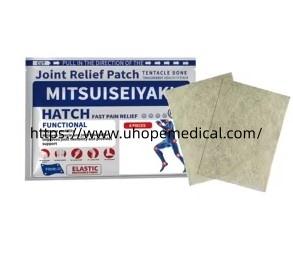
Understanding pathways that allow actives to cross the outer skin layer remains central when reviewing production methods for plasters intended for muscle support. A Muscle Plaster Factory such as uhopemedical examines matrix structure surface contact and release timing so that ingredients reach intended tissue zones during normal wear periods. Project teams frequently ask whether chosen production sequences can maintain steady delivery without irritation across varied skin types?
Matrix composition forms the base for controlled movement of actives. Carriers that hold ingredients in a stable yet releasable state allow gradual passage once the plaster adheres. Soft polymer networks or fabric backings create a microenvironment that supports diffusion while limiting rapid loss to the surrounding air. Attention to how the matrix interacts with skin lipids helps keep the pathway open without forcing abrupt changes in barrier function.
Surface contact quality influences the initial transfer phase. Even adhesion across the entire face of the plaster reduces gaps where actives might evaporate before entering the skin. Flexible edges that follow body contours during movement maintain that contact through daily activity. Production steps that ensure uniform coating thickness contribute to predictable behavior once the unit is applied.
Occlusion created by the plaster itself plays a supporting role. By mildly elevating local humidity under the covering the outer skin layer becomes more receptive to passage of certain molecules. Facilities that balance this effect carefully avoid excessive moisture buildup that could lead to discomfort. The duration of intended wear then determines how long this supportive condition remains active.
Ingredient form within the matrix receives equal consideration. Actives prepared in states that align with skin lipid characteristics move more readily than those that remain tightly bound. Production sequences that disperse these forms evenly prevent localized concentration spikes that might stress the barrier. Gentle processing temperatures protect sensitive components so they retain their intended activity until the moment of release.
Skin condition at the application site further shapes outcomes. Clean dry surfaces free of heavy residues allow the plaster to establish intimate contact quickly. Areas with natural folds or higher movement benefit from matrix flexibility that prevents lifting. Production teams that supply clear guidance on site preparation help users achieve the contact needed for steady delivery.
Release timing across the wear period supports consistent exposure rather than a single brief peak. Matrices designed for gradual liberation match the pace at which skin can accept and transport the actives. This measured approach reduces the chance of surface residue while extending the functional window. Observation of how different backing materials influence that timing guides selection for specific recovery goals.
Compatibility between the adhesive system and the active load prevents interference. Adhesives that remain stable in the presence of the chosen ingredients keep the plaster in place without altering release rates. Production controls that verify this compatibility before full runs protect both adhesion performance and delivery consistency. Users then experience a unit that stays secure while the matrix continues its work.
Environmental factors during storage and transit also receive attention so that the matrix reaches the user in optimal condition. Protection from extreme temperature swings and humidity shifts preserves the intended release profile. Packaging that shields the active face until the moment of application maintains the surface readiness required for immediate contact.
Integration of these elements creates a production approach that prioritizes steady passage of actives across the skin barrier. Attention to matrix architecture contact quality occlusion balance ingredient form and release pacing allows the plaster to function as a reliable delivery vehicle during normal activity.
When evaluating options for sports recovery or daily muscle support the interplay among these factors becomes the practical guide. Teams that review how each production choice supports the next find clearer paths toward consistent results on skin. Exploring available formats through the production lens of a Muscle Plaster Factory accessible at https://www.uhopemedical.com/ allows these considerations to inform selection without unnecessary complexity.
- Technology for Students
- Admissions & Applications
- Online Courses
- Career and Jobs
- Campus Life
- Drinks
- Film
- Fitness
- Food
- Games
- Gardening
- Health
- Home
- Literature
- Music
- Networking For Students
- Insights
- Party
- Religion
- Shopping
- Sports
- Theater
- Wellness
- Education News
- Business & Finance For Students
- Security, Law & Crime Education
- Insurance
- Science & Technology For Students
 English
 Arabic
 French
 Spanish
 Portuguese
 Deutsch
 Turkish
 Dutch
 Italiano
 Russian
 Romaian
 Portuguese (Brazil)
 Greek