


Vocational Rehabilitation in 2026: Meaning, Services, and Paths Back to Work Now
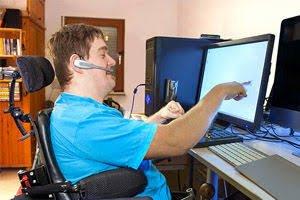
Returning to work after an injury, illness, or disability can be challenging. Physical limitations, changes in mental health, and difficulties performing previous job duties may affect a person's career plans and financial stability. However, these challenges do not always mean the end of professional life. With appropriate guidance, training, and employment support, many individuals can explore new opportunities that match their abilities and circumstances.
What Is Vocational Rehabilitation?
The vocational rehabilitation meaning refers to a process that helps people with disabilities, injuries, or other employment barriers prepare for, obtain, maintain, or return to suitable work. It focuses on identifying an individual's strengths, limitations, skills, interests, and career goals before developing a practical employment plan.
The process is not limited to finding someone a new job. It may also involve career counseling, skills assessments, education, specialized training, assistive technology, and workplace adjustments. The overall objective is to help individuals achieve greater independence and meaningful participation in the workforce.
In the United States, state vocational rehabilitation agencies provide services to eligible individuals with disabilities. Federal law recognizes a range of support services designed to help people prepare for and maintain employment based on their abilities, interests, and informed choices.
Who May Benefit From These Services?
People experience different challenges that can affect their ability to work. Some may have a disability from birth, while others develop limitations after an accident, workplace injury, serious illness, or medical condition.
Individuals who may benefit include:
-
Workers recovering from physical injuries that affect their previous job duties.
-
People with visual, hearing, or mobility impairments.
-
Individuals experiencing cognitive or developmental disabilities.
-
Employees managing chronic health conditions that limit certain activities.
-
People who need retraining after losing the ability to perform their former occupation.
-
Young adults with disabilities preparing to enter the workforce.
Eligibility requirements depend on the applicable program and state regulations. An assessment is generally used to understand the person's employment barriers and determine which services may be appropriate.
Common Services Included in a Rehabilitation Plan
A rehabilitation plan is developed around the individual's needs rather than following one identical process for everyone. The services provided may vary according to the person's abilities, employment history, career interests, and support requirements.
Common services include:
Vocational assessment: A professional evaluates skills, work history, interests, education, abilities, and limitations to identify realistic employment options.
Career counseling: Counselors help individuals understand suitable career paths, establish employment goals, and make informed decisions about their next steps.
Job training and education: Some individuals may need additional education, technical instruction, or practical training to qualify for a different occupation.
Job placement assistance: Support may include preparing resumes, developing interview skills, identifying job openings, and connecting with potential employers.
Assistive technology: Specialized equipment, software, communication devices, or workplace modifications may help individuals perform essential job tasks.
Workplace support: Depending on the situation, services may include job coaching, follow-up assistance, or recommendations for reasonable workplace accommodations.
These services are intended to address practical employment barriers and help individuals move toward suitable, sustainable work.
How Does the Vocational Rehabilitation Process Work?
Although the exact procedure varies by program, the process generally involves several stages.
-
Initial application: An individual contacts the appropriate rehabilitation agency or service provider to discuss employment challenges and possible assistance.
-
Assessment: Qualified professionals review relevant medical, educational, vocational, and employment information.
-
Goal development: The individual and counselor identify suitable career objectives based on abilities, interests, and limitations.
-
Individualized planning: A plan outlines the services and support needed to pursue the selected employment goal.
-
Training and preparation: The individual may receive counseling, education, job skills training, or assistive resources.
-
Employment support: Assistance may continue through job placement, workplace adjustment, and follow-up services.
The process is intended to be individualized. Employment goals should reflect what a person can reasonably pursue rather than simply reproducing their previous career path.
Why Vocational Assessments Matter After an Injury
A serious injury can change a person's ability to perform familiar tasks. Someone who previously worked in construction, transportation, manufacturing, or another physically demanding occupation may no longer be able to meet the physical requirements of that position.
In these circumstances, a vocational assessment can help determine how the injury affects employment potential. The evaluation may consider physical restrictions, cognitive abilities, education, transferable skills, previous work experience, and available employment opportunities.
Understanding the vocational rehabilitation meaning is particularly important in legal matters involving personal injury, workers' compensation, and disability claims. A structured evaluation can help explain whether an individual may return to previous work, require retraining, or need to consider a different occupation.
For attorneys, vocational evidence may also help assess changes in earning capacity and the potential financial consequences of an injury. A qualified vocational expert can examine relevant information and provide professional opinions about employment options and work-related limitations.
The Importance of Individualized Employment Planning
A successful return-to-work strategy requires more than identifying an available position. The proposed occupation should be consistent with the individual's functional abilities, medical restrictions, qualifications, and realistic employment opportunities.
For example, a person who can no longer perform heavy lifting may be able to pursue administrative, supervisory, or customer service work after appropriate training. However, the suitability of these options depends on the individual's education, experience, cognitive abilities, and local labor market.
Occupational Assessment Services (OAS) provides vocational evaluations, earning capacity assessments, and related expert services that help attorneys understand employment potential and the financial impact of injuries. Such professional analysis can provide valuable information when a case involves questions about lost earnings, future employability, or the need for vocational retraining.
Moving Toward Meaningful Employment
An injury or disability can create significant uncertainty, but it does not automatically eliminate the possibility of a productive career. The right combination of assessment, counseling, training, and workplace support can help individuals identify realistic opportunities and develop a path forward.
Understanding available rehabilitation services is an important first step. With individualized planning and qualified professional guidance, people facing employment barriers can make informed decisions about their careers, strengthen their independence, and work toward long-term employment goals.
- Technology for Students
- Admissions & Applications
- Online Courses
- Career and Jobs
- Campus Life
- Drinks
- Film
- Fitness
- Food
- Spellen
- Gardening
- Health
- Home
- Literature
- Music
- Networking For Students
- Insights
- Party
- Religion
- Shopping
- Sports
- Theater
- Wellness
- Education News
- Business & Finance For Students
- Security, Law & Crime Education
- Insurance
- Science & Technology For Students
 Dutch
 English
 Arabic
 French
 Spanish
 Portuguese
 Deutsch
 Turkish
 Italiano
 Russian
 Romaian
 Portuguese (Brazil)
 Greek