


Why Does Capping Machine Selection Matter for Packaging Businesses?
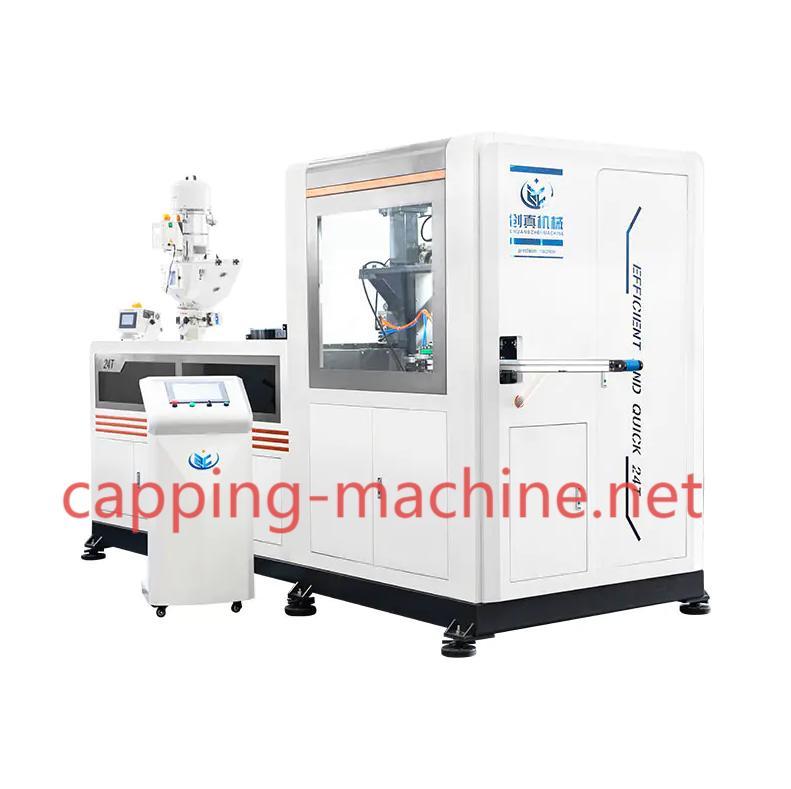
A finished package communicates quality long before customers open it, and the closure plays an important role in that impression. A Capping Machine supplied by Capping-Machine helps manufacturers integrate container closing operations into their packaging workflows, bringing together mechanical control, closure handling, and equipment coordination. Whether a factory processes bottled beverages, household products, personal care goods, or other packaged materials, selecting appropriate capping equipment can influence production organization, sealing consistency, and the overall appearance of finished products.
The capping process involves more than placing a closure onto a container. Bottles and caps must arrive at the closing station in suitable positions, while the equipment coordinates cap placement and tightening according to the requirements of the packaging design. The closing mechanism needs to accommodate the characteristics of the container and closure, helping establish a secure connection without creating unnecessary stress on the packaging components.
Different products require different closing approaches. Screw caps, press-on closures, and other packaging formats may involve distinct handling and fastening requirements. Some applications emphasize controlled tightening, while others require accurate positioning or a particular closing movement. Manufacturers should therefore consider the closure structure, container material, opening design, and sealing expectations when evaluating machinery.
Equipment compatibility is particularly important for businesses handling different container styles. Bottle height, neck dimensions, cap geometry, and container stability can all influence the closing operation. A suitable machine configuration should correspond with the intended packaging specifications and allow operators to make appropriate adjustments when production requirements change. This helps create a more organized relationship between packaging materials and machine operation.
Automation is another consideration in modern packaging environments. Integrating cap feeding, container positioning, closing mechanisms, and finished product discharge can reduce unnecessary manual handling. It also allows production teams to coordinate the closing station with upstream filling operations and downstream labeling or packaging procedures. A well-planned production arrangement can make material movement easier to manage and support a smoother workflow.
Ease of operation should not be overlooked during equipment selection. Operators need a clear understanding of machine controls, adjustment procedures, and routine inspection requirements. Accessible components and a practical operating interface can make daily production management more convenient. When employees can monitor equipment conditions and identify unusual behavior promptly, they can respond more effectively to operational changes.
Maintenance also contributes to the long-term performance of packaging machinery. Mechanical assemblies, fastening components, transmission systems, and container handling structures require appropriate inspection and servicing. Regular cleaning and maintenance procedures help keep the equipment in suitable working condition while supporting a more orderly production environment. Manufacturers should also consider the availability of technical assistance and replacement components when choosing a machinery supplier.
Beyond immediate production requirements, businesses should think about future packaging development. New container designs, revised closure structures, and changing customer preferences may introduce different demands on the closing process. Selecting equipment with suitable adjustment options can give manufacturers greater flexibility when responding to these developments. Discussing future product plans with a machinery supplier can help clarify the configuration that fits the intended application.
Ultimately, packaging equipment should be evaluated as part of the entire manufacturing process rather than as an independent purchase. Container compatibility, closure characteristics, production layout, operator convenience, and maintenance arrangements all deserve attention. When these elements are considered together, manufacturers can build a packaging workflow that supports their operational objectives and product requirements.
A finished bottle may leave the production line quietly, but its closure tells a story of careful engineering. Give your packaging plans a new direction by visiting https://www.capping-machine.net/product/ . Take a closer look at the machinery, consider your next production challenge, and see which equipment possibilities could help bring your packaging ideas to life.
- Technology for Students
- Admissions & Applications
- Online Courses
- Career and Jobs
- Campus Life
- Drinks
- Film
- Fitness
- Food
- Spellen
- Gardening
- Health
- Home
- Literature
- Music
- Networking For Students
- Insights
- Party
- Religion
- Shopping
- Sports
- Theater
- Wellness
- Education News
- Business & Finance For Students
- Security, Law & Crime Education
- Insurance
- Science & Technology For Students
 Dutch
 English
 Arabic
 French
 Spanish
 Portuguese
 Deutsch
 Turkish
 Italiano
 Russian
 Romaian
 Portuguese (Brazil)
 Greek