


VR Cancer Rehabilitation: How Immersive Technology Is Supporting Patients Through Recovery
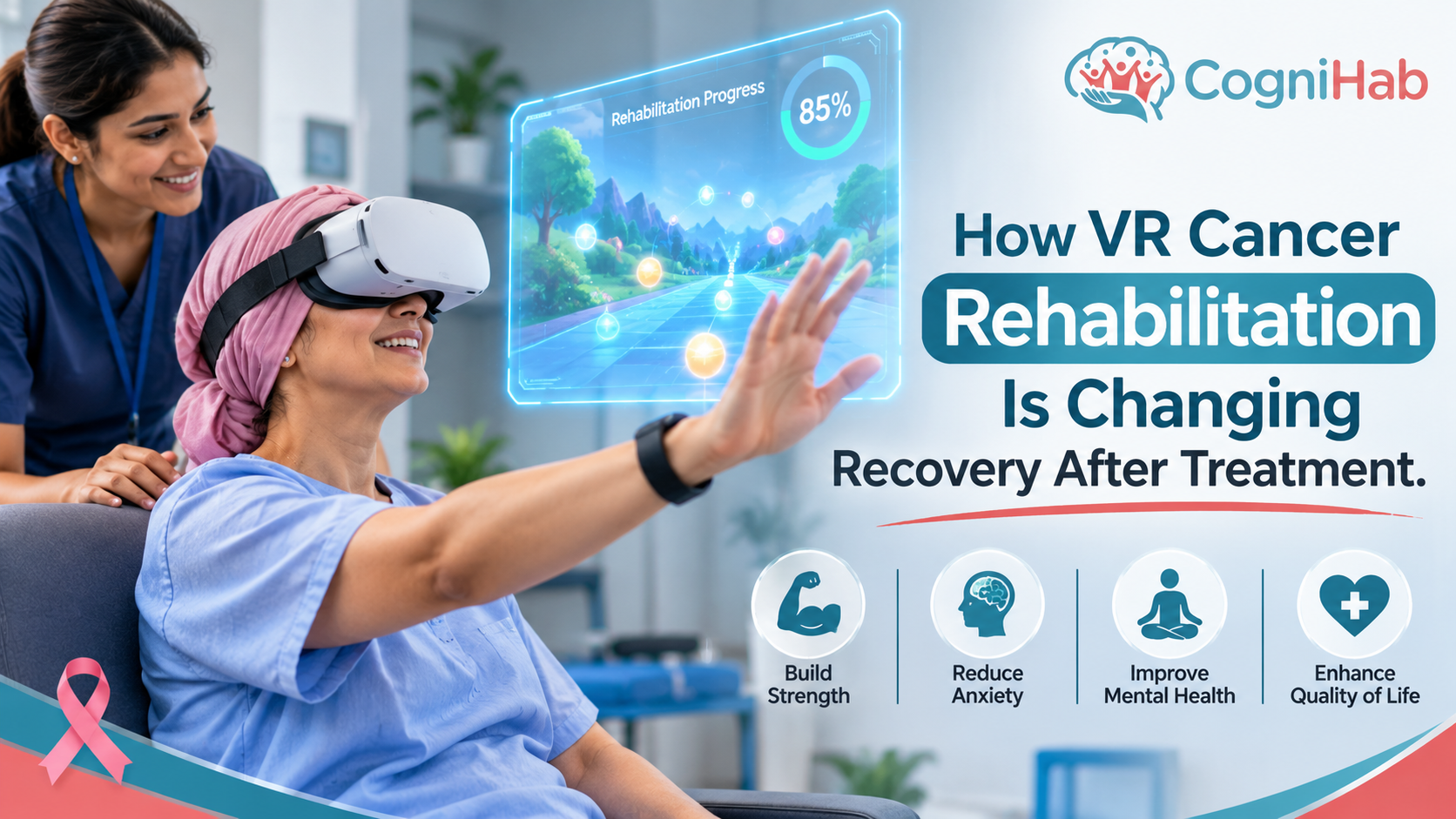
Cancer treatment affects far more than the body. Fatigue, anxiety, reduced mobility, and the stress of repeated hospital visits can make recovery feel endless. Healthcare teams are now adding immersive technology to supportive care, and VR cancer rehabilitation is one of the most promising examples. Instead of relying only on traditional exercise sheets and waiting-room distractions, patients can step into guided virtual environments built to relax, engage, and motivate them.
This guide explains how VR cancer rehabilitation works, where it helps most, and what to consider before starting.
What Is VR Cancer Rehabilitation?
VR cancer rehabilitation uses a headset and interactive software to deliver relaxation journeys, games, and guided exercises for people before, during, and after cancer treatment. It supports conventional care and does not replace it.
How Immersive Virtual Reality Works in Supportive Care
A headset replaces the hospital surroundings with a calming or engaging environment, such as a quiet forest, a mindful journey, or a simple game. Because the brain focuses on the virtual world, patients often feel less aware of discomfort and stress. This effect is commonly described as distraction therapy.
Who Can Benefit From It
Patients preparing for chemotherapy, those in the middle of treatment, and survivors regaining movement after surgery can all use these tools. Caregivers and physiotherapists also benefit, since sessions are easier to guide and track.
How It Differs From Traditional Rehabilitation
Traditional programs depend heavily on patient discipline, and repetitive exercises can feel dull when energy is low. Gamified VR adds clear goals and instant feedback, which helps patients stay consistent without feeling that they are “doing therapy.”
Key Benefits Across Treatment Stages
Cancer care has different emotional and physical needs at each phase. A well-designed program matches the experience to the stage.
Relaxation Before Chemotherapy
The days before treatment are often marked by dread of the unknown. Calming virtual journeys and simple explainer experiences can lower chemotherapy anxiety and help patients feel more prepared.
Comfort and Engagement During Treatment
Infusion sessions can be long. Immersive games and short virtual experiences make the time pass more comfortably and improve patient engagement.
Movement and Strength After Surgery
After procedures such as breast cancer surgery, shoulder mobility is often restricted. Game-based post-surgery exercises, such as a virtual boxing activity, encourage patients to repeat the movements their physiotherapist recommends. Regular practice supports flexibility, coordination, and confidence, all of which contribute to a better quality of life.
How CogniHab Supports Patients Through VR Cancer Rehabilitation
CogniHab is a health-tech company that builds immersive virtual reality solutions for conditions including stroke, cerebral palsy, vision disorders, and cancer support. Its Cancer Rehabilitation Suite offers journeys and games for three phases: pre-chemo, during chemo, and post-chemo.
Stage-Based Content
Rather than offering one generic experience, the suite organizes content around the treatment timeline. Pre-chemo modules focus on relaxation, while later modules add engagement and rehabilitation activities for recovery.
Post-Surgery Exercises and Hand-Eye Coordination Games
The suite includes virtual exercises designed to support patients after surgery, along with games that help with hand-eye coordination. These turn repetitive physiotherapy into something patients can actually look forward to.
Use at Clinics or at Home
The suite is designed for rehabilitation centers as well as home practice. Home-based rehabilitation lets patients continue their routine on days when travelling to a clinic feels exhausting, which is why many families explore VR cancer rehabilitation for long-term support.
Safety, Comfort, and Getting Started
Like any supportive tool, VR should be used thoughtfully.
- Talk to your oncology team first. Your doctor or physiotherapist can confirm whether VR cancer rehabilitation suits your treatment stage, especially if you have nausea, dizziness, or recent surgical wounds.
- Start with short sessions. Beginning with a few minutes helps you check for discomfort before extending the time.
- Choose the right environment. Sit or stand in a clear, safe space with a caregiver nearby if needed.
- Stop if you feel unwell. Dizziness or eye strain means it is time to remove the headset and rest.
Used this way, VR cancer rehabilitation can sit comfortably alongside medication, physiotherapy, and counselling as part of a complete recovery plan.
Frequently Asked Questions
What is VR cancer rehabilitation?
It is the use of virtual reality headsets and interactive programs to support cancer patients with relaxation, engagement, and physical exercise before, during, and after treatment.
Is VR cancer rehabilitation safe for patients undergoing chemotherapy?
It is generally used as a gentle, supportive activity, but suitability depends on the individual. Always check with your oncologist or physiotherapist, especially if you experience nausea or dizziness.
Can VR help reduce anxiety during cancer treatment?
Immersive journeys and games can shift attention away from stressful surroundings, which many patients find helpful for easing anxiety and restlessness during treatment.
Can I use CogniHab’s Cancer Rehabilitation Suite at home?
Yes. CogniHab states that its suite is suitable for both rehabilitation centers and home practice. Speak with your care team about the best way to build it into your routine.
Does VR replace traditional cancer rehabilitation?
No. It complements standard medical care, physiotherapy, and emotional support by making the process more engaging.
References
- Technology for Students
- Admissions & Applications
- Online Courses
- Career and Jobs
- Campus Life
- Drinks
- Film
- Fitness
- Food
- Games
- Gardening
- Health
- Home
- Literature
- Music
- Networking For Students
- Insights
- Party
- Religion
- Shopping
- Sports
- Theater
- Wellness
- Education News
- Business & Finance For Students
- Security, Law & Crime Education
- Insurance
- Science & Technology For Students
 English
 Arabic
 French
 Spanish
 Portuguese
 Deutsch
 Turkish
 Dutch
 Italiano
 Russian
 Romaian
 Portuguese (Brazil)
 Greek