


What Should You Know About Modern Bone Healing Devices?
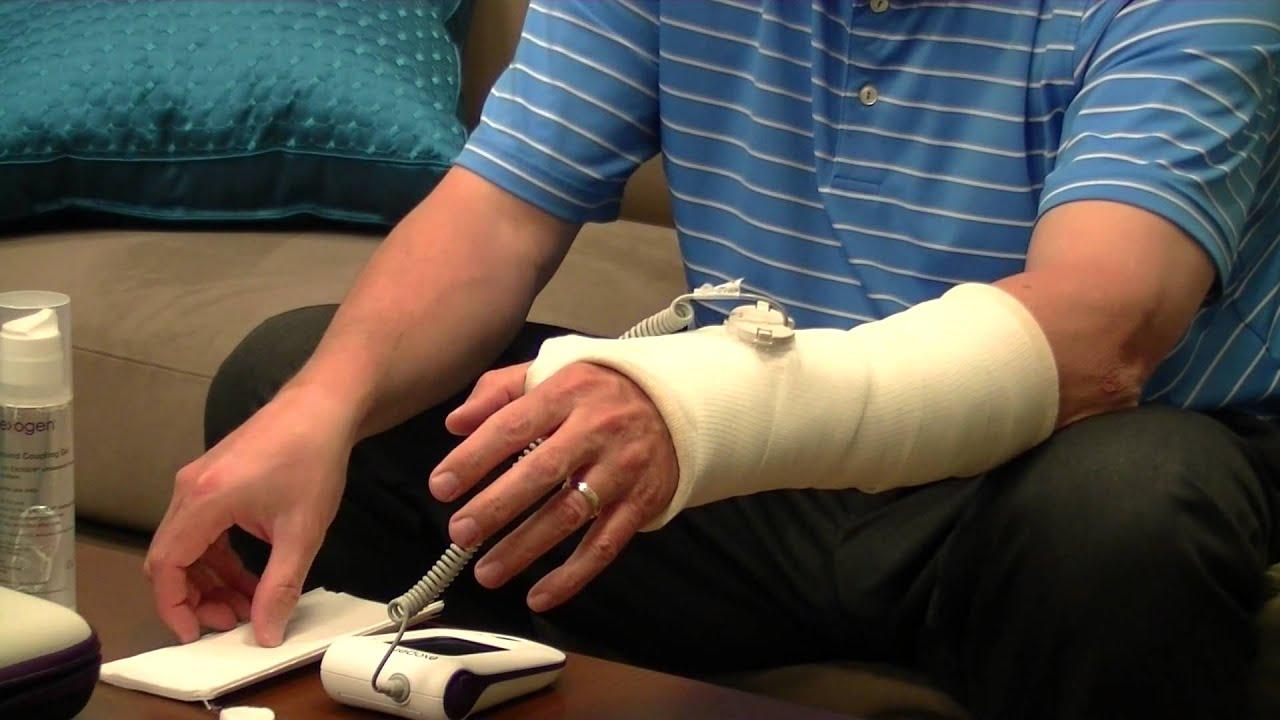
Modern bone healing devices have genuinely transformed what fracture recovery can achieve. Patients today access technologies that actively participate in the healing process. These devices range from simple immobilization tools to sophisticated stimulation technologies. Understanding what modern bone healing devices are available helps patients make better decisions. It also helps them engage more confidently with physician recommendations throughout recovery. This article explores what patients should know about the most important modern healing devices. Each device category plays a distinct and valuable role in achieving full fracture recovery.
Understanding the Categories of Modern Bone Healing Devices
Modern bone healing devices fall into several functionally distinct categories. Structural devices provide mechanical stability essential in early fracture care. Stimulation devices enhance the biological cellular repair process directly and actively. Monitoring devices track healing progress throughout the entire recovery period. Delivery devices facilitate biological therapeutic agents at fracture sites precisely. Understanding these functional categories helps patients appreciate each device’s specific clinical purpose.
Each category addresses a different requirement of the complex healing process. Structural devices prevent the disruptive motion that interrupts callus formation. Stimulation devices compensate for the biological signal deficits of immobilization. Monitoring devices enable timely detection of healing complications and delays. Delivery devices address cellular requirements that structural support cannot meet alone. Comprehensive care uses devices from multiple categories simultaneously and coordinately for best results.
Why Device Selection Requires Professional Guidance
Device selection for bone healing requires individualized professional assessment throughout. Not every device is appropriate for every fracture type or patient population. Fracture location, severity, patient health, and risk factors all influence selection. Evidence quality varies significantly across different device categories and specific products. Regulatory clearance status provides an important quality benchmark for device evaluation. Physicians weigh all these factors when recommending specific devices for individual patients.
Structural Devices: Casts, Splints, and Braces
Structural devices form the foundational category in bone healing device care. Traditional plaster casts have largely been replaced by lighter fiberglass alternatives. Fiberglass casts are more durable, water-resistant, and more patient-friendly overall. Synthetic materials provide better moisture management during extended immobilization periods. Custom-molded thermoplastic splints provide precise and anatomically fitted support for patients. These devices match individual patient anatomy more accurately than standard off-shelf products.
Functional fracture braces represent a significant advance in structural device design. These devices protect bone while allowing controlled movement of adjacent joints. Controlled motion maintains muscle tone and joint health during immobilization effectively. Research shows functional bracing produces results comparable to rigid casting for certain fractures. Patients using functional braces often require shorter rehabilitation periods afterward. The balance between fracture protection and functional mobility is carefully calibrated by specialists. Orthopedic specialists select the most appropriate structural device for each specific fracture type.
Stimulation Devices: Electrical and Ultrasound Technologies
Stimulation devices represent the most actively therapeutic modern healing device category. These technologies deliver energy that directly stimulates bone cell activity. Their biological mechanisms are grounded in decades of cellular biology research. Multiple device types are available within the stimulation category for different clinical applications.
Among the most widely prescribed options in this category is the bone growth stimulator, which uses either low-intensity pulsed ultrasound or electrical stimulation to activate osteoblast mechanoreceptors, enhance growth factor expression, and promote angiogenesis in ways that complement every other component of comprehensive fracture care throughout recovery. These devices are FDA-cleared and supported by multiple randomized controlled trials. Clinical studies demonstrate healing acceleration rates of up to 38 percent in treated patients. Patients use these devices conveniently at home during brief daily sessions. Their non-invasive nature makes them appropriate for most adult fracture patient populations.
Pulsed Electromagnetic Field Devices
Pulsed electromagnetic field devices represent a third stimulation technology type. These devices generate magnetic fields around the treatment area externally without skin contact. The magnetic fields induce small therapeutic electrical currents within bone tissue. This induction occurs without requiring direct skin electrode contact at all. The contactless application offers meaningful convenience advantages for some patient populations. Clinical evidence supports PEMF use for delayed union and nonunion treatment specifically. Multiple FDA-cleared PEMF devices are available for clinical prescription and use.
Digital Health and Monitoring Devices
Digital health devices are increasingly integrated into modern bone healing care pathways. Wearable sensors monitor patient activity levels during the entire recovery period continuously. These sensors identify patients exceeding prescribed activity restrictions in real time. Physicians receive activity data alerts when patients approach potentially unsafe loading levels. This monitoring capability significantly reduces premature loading complications during healing. Smart casting technology incorporates sensors directly into immobilization devices for continuous monitoring of patients.
Telehealth platforms enable remote physician oversight between all scheduled clinic visits. Patients transmit compliance data, symptoms, and questions through digital platforms conveniently. Physicians review this information and respond to emerging concerns promptly and efficiently. Artificial intelligence tools analyze serial imaging to quantify healing progress objectively. These digital monitoring devices extend expert oversight beyond in-person clinic appointments significantly. Patients in remote areas benefit particularly from this digital care connectivity and access.
Compliance Tracking in Modern Healing Devices
Modern stimulation devices include compliance tracking features as standard functionality. These features automatically record every completed treatment session in device memory. Physicians download and review this compliance data at scheduled follow-up appointments. Patients receive automated reminders to complete daily treatment sessions consistently every day. Some devices connect to smartphone applications providing additional engagement and progress features. Progress visualization motivates continued daily treatment throughout the recovery period. High compliance with device protocols directly correlates with better healing outcomes for patients.
Surgical Implant Devices as Healing Technology
Surgical implant devices represent a major and well-established healing technology category. Plates, screws, intramedullary nails, and wires provide internal fracture stabilization. Modern implant materials include titanium alloys with excellent biocompatibility properties. These materials encourage direct bone-implant contact called osseointegration over time. Locking plates provide superior stability in osteoporotic and complex fractures. Computer navigation systems guide precise hardware placement during surgical procedures. Three-dimensional printing enables custom patient-specific implant manufacturing from individual CT data.
Bioresorbable implant materials represent an important innovation in surgical devices. These materials provide structural support during early fracture healing stages initially. After sufficient healing, the body’s enzymes gradually degrade the bioresorbable material. Complete resorption eliminates the need for hardware removal surgery entirely. Patients benefit from avoiding a second procedure and its associated risks. Material science continues improving the strength and degradation profiles of these devices. Bioresorbable implants are increasingly used in specific fracture types and select patient populations.
Biological Delivery Devices for Fracture Care
Biological delivery devices facilitate therapeutic agents at fracture healing sites precisely. Injection systems deliver platelet-rich plasma accurately to fracture zones. Image-guided delivery ensures accurate placement of biological materials within target tissue. Scaffold materials provide structural frameworks for new bone tissue ingrowth and formation. These scaffolds can be combined with growth factor delivery systems for enhanced benefit. The combination of structure and biological delivery addresses multiple healing requirements simultaneously.
Growth factor delivery systems have advanced considerably in recent years of development. Some systems provide immediate release of therapeutic proteins at the fracture site. Others offer controlled sustained release over days or weeks of active healing. This sustained delivery matches therapeutic output to the multi-week healing process duration effectively. Nano-carrier systems can target specific cell types within the healing zone. These precision delivery technologies are actively progressing toward broader clinical availability for patients.
Considering Cost, Coverage, and Accessibility
Cost and insurance coverage are important practical considerations in device selection. Structural devices like casts are routinely covered by standard insurance plans. Stimulation devices require prescription and often insurance pre-authorization approval from providers. Major insurers increasingly cover evidence-based stimulation devices when medically indicated. Physicians assist patients in preparing documentation for insurance coverage submissions. Device rental programs reduce upfront financial barriers for some patient populations. The economic benefit of preventing nonunion justifies the investment in stimulation devices consistently.
Accessibility considerations also influence practical device selection decisions for patients. Devices requiring clinic visits for application or monitoring add travel and time burdens. Home-use devices with digital connectivity reduce the need for frequent clinic attendance. Rural patients benefit most from devices designed for fully independent home management. The trend toward more home-compatible devices reflects patient preference for independence and convenience. Healthcare teams should select devices that patients can practically and consistently use every day. Real-world usability determines whether any device delivers its potential clinical benefit.
What to Expect When Using Modern Healing Devices
Patients beginning device therapy should have clear and realistic expectations throughout. Structural devices will be fitted and adjusted by trained professionals at appointments. Any pressure, tightness, or skin irritation under casts should be reported promptly. Stimulation devices require consistent daily use for the entire prescribed duration. Initial device training ensures correct placement and operation technique from the start. Follow-up appointments confirm device function and assess ongoing healing progress. Compliance data from stimulation devices will be reviewed at these scheduled appointments.
Patients should understand that devices complement rather than replace other care components. Nutrition, physical therapy, lifestyle modifications, and medication remain important alongside devices. The greatest benefits consistently come from comprehensive care incorporating multiple supportive elements. Devices work best when patients are educated, compliant, and actively engaged in recovery. Healthcare teams that communicate device roles clearly achieve consistently better patient outcomes. Understanding the role of each device motivates more consistent and correct use throughout recovery.
Modern bone healing devices span structural, stimulation, digital, surgical, and biological categories. Each category addresses specific requirements of the complex bone healing process. Evidence-based stimulation devices provide complementary biological support to structural care. Digital monitoring devices extend oversight and improve compliance in home-based recovery. Surgical implant technology continues advancing toward better outcomes and reduced revision needs. Understanding these categories helps patients navigate physician recommendations confidently and knowledgeably. Patients who engage knowledgeably with modern bone healing devices consistently achieve the best recovery outcomes.
- Technology for Students
- Admissions & Applications
- Online Courses
- Career and Jobs
- Campus Life
- Drinks
- Film
- Fitness
- Food
- Oyunlar
- Gardening
- Health
- Home
- Literature
- Music
- Networking For Students
- Insights
- Party
- Religion
- Shopping
- Sports
- Theater
- Wellness
- Education News
- Business & Finance For Students
- Security, Law & Crime Education
- Insurance
- Science & Technology For Students
 Turkish
 English
 Arabic
 French
 Spanish
 Portuguese
 Deutsch
 Dutch
Dutch
 Italiano
 Russian
 Romaian
 Portuguese (Brazil)
 Greek
Greek