


How Can Physiotherapy Support Better Movement in Adults?
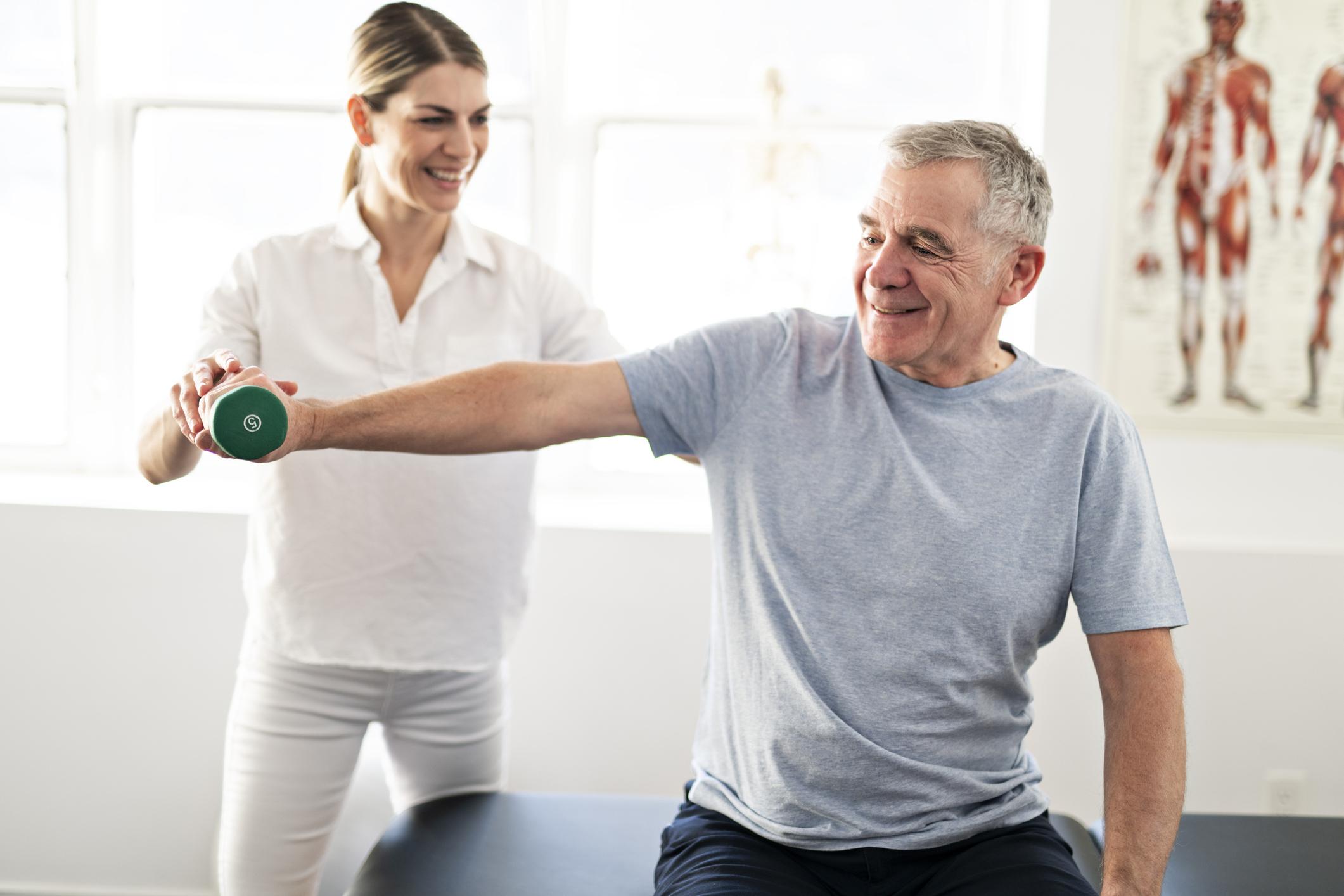
Movement is something most adults take for granted until it becomes difficult. Rising from a chair, climbing stairs, reaching overhead, and walking comfortably define daily life. When these movements become painful or restricted, independence and quality of life suffer. The consequences ripple through work, social engagement, and personal confidence significantly. Physiotherapy offers evidence-based, targeted solutions for improving adult movement across a wide range of conditions and life stages. It addresses the specific physical causes of movement limitation rather than simply managing symptoms. This article explores in depth how physiotherapy supports better movement in adults of all ages and abilities.
Why Adult Movement Declines
Understanding why adult movement declines is the essential starting point for effective rehabilitation. Age-related muscle loss reduces the strength needed for efficient, comfortable movement. Joints become stiffer as cartilage thins and connective tissues lose their natural elasticity. Sedentary lifestyles accelerate both muscle loss and joint stiffness significantly over time. Injuries, surgeries, and illnesses disrupt movement patterns and create lasting physical changes. Chronic pain causes fear of movement and leads to avoidance that worsens deconditioning. Neurological conditions affect the brain and nervous system’s ability to control movement. Each of these causes requires a different but evidence-based physiotherapy approach for resolution.
How Physiotherapy Assesses Adult Movement
Accurate clinical assessment is the foundation of effective physiotherapy for movement improvement. Physiotherapists conduct thorough evaluations before designing any treatment programme. Walking quality, joint range of motion, muscle strength, and balance are all assessed objectively. Postural analysis identifies alignment problems that contribute to movement difficulty and pain. Functional task assessment evaluates how movement limitations affect specific daily activities. History of injury, surgery, and medical conditions informs the clinical picture comprehensively. Standardised outcome measures provide objective baselines for tracking progress over time. The most effective treatment always begins with the most thorough and accurate assessment possible.
Improving Gross Motor Movement and Walking Ability
Walking is the most fundamental and important movement skill in adult daily life. Many conditions progressively affect walking speed, efficiency, safety, and comfort. Physiotherapy directly targets the specific physical deficits limiting walking quality and endurance.
Gait Analysis and Rehabilitation
Physiotherapists conduct detailed gait analysis to identify specific walking pattern deficits. Stride length, cadence, foot clearance, and trunk stability are all carefully assessed. Muscle weakness, joint stiffness, and coordination problems are identified as contributing factors. Targeted exercises address each specific deficit found during comprehensive gait assessment. Strengthening the hip extensors and quadriceps improves forward propulsion during walking. Ankle mobility exercises improve foot clearance and significantly reduce tripping risk. Gait retraining uses verbal, visual, and tactile cues to correct specific movement faults identified. Adults who complete gait rehabilitation walk more efficiently, comfortably, and safely in all environments.
Rebuilding Strength to Support Functional Movement
Muscle weakness is one of the most significant contributors to reduced adult mobility and movement quality. Physiotherapy targets specific muscle groups through carefully graded progressive exercise. Chair-to-stand exercises rebuild the quadriceps and gluteal strength needed for rising. Step-up exercises develop the lower limb capacity needed for safe stair climbing. Carrying exercises build the arm and core strength required for functional daily tasks. Physiotherapists progress resistance and complexity based on individual response and tolerance. Adults who rebuild functional strength consistently notice improvements in daily activities within weeks. The translation of therapeutic strength gains into real daily life function is the primary goal of all treatment.
Improving Joint Mobility and Flexibility
Joint stiffness profoundly restricts the range of movements available to adults throughout the day. Morning stiffness in arthritic joints is one of the most common and disruptive daily challenges. Physiotherapy incorporates targeted flexibility exercises and manual therapy into every relevant treatment plan. Joint mobilisation techniques restore movement in restricted joints efficiently and comfortably. Flexibility improvements allow adults to reach, bend, and twist with greater ease and less pain. These gains directly and immediately improve the ability to perform daily household and work tasks. Sustained flexibility work prevents the progressive stiffening so commonly associated with ageing and inactivity.
Manual Therapy for Faster Mobility Improvement
Manual therapy is a highly effective and valued component of adult movement rehabilitation. Joint mobilisation applies rhythmic, controlled pressure to restricted and painful joints. This technique reduces pain through both mechanical and neurophysiological therapeutic mechanisms. Soft tissue techniques reduce the muscle tension and guarding that limits functional movement. Neural mobilisation addresses nerve tension responsible for radiating and referred pain patterns. Myofascial release reduces fascial restrictions that amplify both pain and movement difficulty. Adults often experience immediate and significant improvements in mobility after manual therapy sessions. Combined with exercise, manual therapy consistently produces the best overall movement rehabilitation outcomes.
Balance Training for Safer and More Confident Movement
Poor balance significantly restricts adult daily movement out of fear and physical limitation. Fear of falling leads many adults to severely limit their physical activities and social participation. Physiotherapy provides evidence-based balance rehabilitation for adults across all age groups and fitness levels.
Targeted Balance and Proprioception Exercises
Single-leg standing exercises progressively challenge and rebuild the balance system effectively. Tandem walking improves dynamic balance during forward movement and functional transitions. Reaching and perturbation exercises challenge balance control during realistic functional tasks. Dual-task training combining balance with cognitive challenges reflects real-world demands accurately. Vestibular rehabilitation addresses dizziness and inner ear contributions to balance disturbance. Adults who improve their balance move more confidently and safely throughout their entire day. Fear of falling reduces naturally as physical balance capacity improves through consistent training.
Neurological Rehabilitation for Movement Recovery
Neurological conditions create profound and complex movement challenges for affected adults. Physiotherapy is the cornerstone of rehabilitation across most neurological diagnoses encountered clinically. Neuroplasticity allows meaningful recovery even long after the initial neurological event occurs.
Stroke Rehabilitation and Daily Movement
Stroke causes weakness, spasticity, and coordination difficulties of varying severity and extent. Early physiotherapy after stroke consistently produces the best long-term movement recovery outcomes. Task-specific practice drives neurological recovery through motor learning and neuroplasticity principles. Dressing, cooking, walking, and transferring are trained as functional therapy targets throughout rehabilitation. Adults who receive intensive stroke rehabilitation regain significantly more independence and daily mobility. Physiotherapy remains a key ongoing support for stroke survivors throughout their entire recovery journey.
Parkinson’s Disease and Movement Quality
Parkinson’s disease causes progressive rigidity, reduced movement amplitude, and postural instability. Physiotherapy specifically targets movement quality, walking pattern, and balance in these patients. LSVT BIG training uses intentionally large-amplitude movement to counteract disease-specific changes. Treadmill training and rhythmic auditory cueing improve walking speed and reduce freezing episodes. Regular physiotherapy significantly slows the functional decline that Parkinson’s disease otherwise accelerates.
Chronic Pain and Movement Recovery
Chronic pain causes fear of movement and progressive avoidance that worsens physical deconditioning. Adults with chronic pain often believe movement will worsen their symptoms and should be avoided. Physiotherapy addresses this fear through pain neuroscience education and graded movement exposure. Adults learn that pain does not always indicate tissue damage or danger to their body. Graded exercise exposure progressively reduces pain sensitivity and restores movement confidence. Exercise therapy stimulates endorphin release and reduces central pain sensitivity over time. Adults who engage with physiotherapy for chronic pain consistently achieve better long-term movement outcomes.
An adult physiotherapy clinic offering intensive programmes provides concentrated, high-frequency rehabilitation for adults. More frequent sessions accelerate the restoration of strength, balance, and functional mobility significantly. Adults with complex conditions or urgent functional goals benefit most from intensive approaches. Experienced physiotherapists ensure every session is personalised, progressive, and clinically appropriate. Regular reassessment ensures the programme evolves in line with each patient’s improving capacity.
The Role of Home Exercise in Sustaining Movement Gains
Physiotherapy provides the expert clinical framework for improving adult movement. Home exercise programmes extend the therapeutic benefit into every day of recovery and beyond. Consistency in home exercises is the strongest predictor of sustained movement improvement over time. Physiotherapists design simple, progressive, and safe home programmes for every adult patient. Short daily sessions of fifteen to twenty minutes maintain clinical gains between appointments. Adults who complete their home programmes consistently progress measurably faster than those who do not. The combination of professional clinic-based treatment and dedicated home practice produces the most durable and meaningful movement outcomes for all adults.
Final Thoughts
Physiotherapy is one of the most powerful and accessible tools for improving adult movement. It addresses gross motor function, joint mobility, strength, balance, and neurological control comprehensively. Every treatment approach is tailored to the individual’s specific conditions, goals, and physical capacity. Adults who engage with physiotherapy early and consistently achieve the best and most lasting outcomes. Improved movement restores independence, confidence, and daily quality of life in deeply meaningful ways. Chronic pain, post-surgical recovery, neurological conditions, and age-related decline all respond well. Do not accept restricted movement as an inevitable or permanent aspect of your life. With the right professional support and personal commitment, meaningful movement improvement is entirely and reliably achievable.
- Technology for Students
- Admissions & Applications
- Online Courses
- Career and Jobs
- Campus Life
- Drinks
- Film
- Fitness
- Food
- Παιχνίδια
- Gardening
- Health
- Κεντρική Σελίδα
- Literature
- Music
- Networking For Students
- Insights
- Party
- Religion
- Shopping
- Sports
- Theater
- Wellness
- Education News
- Business & Finance For Students
- Security, Law & Crime Education
- Insurance
- Science & Technology For Students
 Greek
Greek
 English
 Arabic
 French
 Spanish
 Portuguese
 Deutsch
 Turkish
 Dutch
Dutch
 Italiano
 Russian
 Romaian
 Portuguese (Brazil)