


Cast Iron Repair in Edinburgh: A Complete Guide to Maintaining Drainage Systems
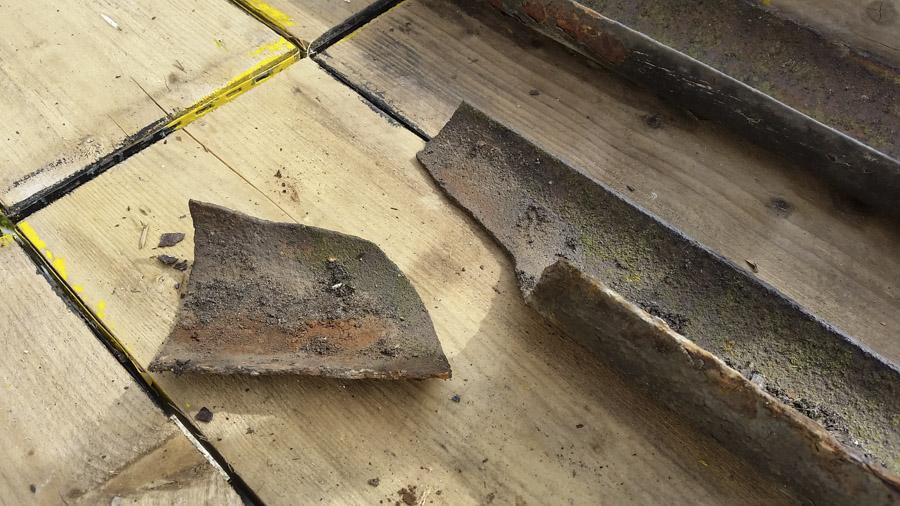
Cast iron drainage pipes have been used in residential and commercial properties for generations because of their strength, durability, and ability to withstand demanding conditions. Many older buildings across Edinburgh still rely on original cast iron drainage systems to carry wastewater safely away from kitchens, bathrooms, and other areas. However, as these pipes age, they can develop cracks, corrosion, leaks, and blockages that affect their performance.
Understanding when repairs are necessary can help property owners prevent further damage and avoid unnecessary disruption. Professional Cast Iron Repair In Edinburgh can address common drainage problems while helping preserve existing pipework wherever practical. The right repair method depends on the pipe's condition, its location, the severity of the damage, and whether the affected section can be restored safely.
From identifying early warning signs to choosing suitable repair techniques, this guide explains how cast iron drainage systems work, why they deteriorate, and what property owners should consider when arranging repairs.
Understanding Cast Iron Drainage Pipes
Cast iron pipes are manufactured from iron containing carbon and other elements. Their strength, rigidity, and durability have made them a popular choice for soil stacks, waste pipes, and underground drainage systems.
Although modern properties often use plastic drainage materials, cast iron remains common in older buildings. In Edinburgh, where traditional architecture and historic properties form an important part of the city's character, maintaining existing drainage infrastructure can be particularly important.
Why Cast Iron Was Widely Used
Cast iron became popular for drainage because it offers several practical advantages:
-
Strength: It can withstand substantial physical pressure when correctly installed and supported.
-
Durability: Properly maintained cast iron pipes can provide many years of service.
-
Noise reduction: The material generally transmits less wastewater noise than lightweight plastic pipes.
-
Fire resistance: Cast iron is non-combustible, making it useful in certain building applications.
-
Structural stability: Its rigidity helps maintain the shape of a properly supported drainage system.
Despite these benefits, cast iron is not immune to deterioration. Exposure to moisture, wastewater, ageing joints, and environmental conditions can eventually compromise its performance.
Where Cast Iron Pipes Are Commonly Found
Cast iron drainage systems may be located in several areas of a property, including:
-
Soil stacks carrying wastewater from toilets.
-
Waste pipes serving sinks, baths, and showers.
-
Vertical drainage pipes running along external walls.
-
Underground drains connecting a building to the wider drainage network.
-
Older commercial buildings with established drainage infrastructure.
Knowing the location of the affected pipe helps a drainage specialist determine the most suitable inspection and repair approach.
Common Problems Affecting Cast Iron Drainage Systems
Cast iron drainage problems can develop gradually. Recognising the warning signs early allows property owners to arrange an inspection before a relatively minor defect becomes a more expensive repair.
Corrosion and Rust Formation
Cast iron can corrode when exposed to moisture and oxygen over extended periods. Internal corrosion may also develop as wastewater, deposits, and other substances interact with the pipe surface.
Early corrosion may appear as surface rust. More advanced deterioration can produce rough internal surfaces, reduce the pipe's effective diameter, and eventually create holes or weak sections.
If corrosion has significantly reduced the pipe wall's thickness, a simple external patch may not provide a reliable long-term solution.
Cracks and Fractures
Cracks can occur because of ageing materials, ground movement, physical impact, poor support, or excessive stress around pipe connections.
Even a small crack can allow wastewater to escape into surrounding masonry, soil, or building materials. In concealed locations, this leakage may continue for some time before becoming visible.
A professional assessment helps establish whether the damage can be repaired locally or whether replacing the affected section would be safer.
Leaking Pipe Joints
Older cast iron drainage systems may have joints that have deteriorated over time. Movement, corrosion, damaged seals, and failing joint materials can create gaps that allow wastewater to escape.
Joint failures may cause damp patches, unpleasant smells, or water staining around pipe connections.
The repair usually involves assessing the joint, checking the alignment of the connected sections, and restoring a suitable watertight connection.
Recurring Blockages
Cast iron pipes can develop internal deposits as they age. Corrosion, grease, soap residue, scale, and other debris can accumulate along the pipe walls, restricting the passage of wastewater.
Repeated blockages may indicate that the problem is not simply caused by an isolated obstruction. A damaged or heavily corroded pipe may need further investigation.
Mechanical cleaning or professional drain clearance can remove suitable obstructions, but cleaning alone will not repair structural defects.
Warning Signs That Your Cast Iron Pipes Need Repair
Some drainage problems are immediately obvious, while others develop slowly. Paying attention to changes in drainage performance can help prevent further damage.
Persistent Drainage Odours
Unpleasant smells around drains, pipe joints, or internal walls may indicate a drainage leak, a damaged connection, or another problem within the drainage system.
Odours do not always mean that a cast iron pipe is damaged. Blocked traps, ventilation problems, and other plumbing defects can produce similar symptoms. An inspection can help identify the actual cause.
Damp Patches and Water Staining
Discolouration, peeling paint, damaged plaster, or unexplained dampness near drainage pipes may indicate a leak.
Where cast iron pipework passes through walls or floors, escaping wastewater can affect surrounding materials. Prompt investigation is particularly important when the affected area is concealed or close to electrical installations.
Slow Draining Fixtures
If sinks, baths, or showers repeatedly drain slowly, there may be a restriction somewhere in the drainage system.
A single slow fixture could indicate a local blockage. Several affected fixtures may suggest a problem further along a shared drainage pipe.
Visible Rust or Damaged Pipe Sections
Flaking material, heavy rust, visible holes, or distorted pipe sections should be assessed by a qualified professional.
Avoid striking, cutting, or dismantling old cast iron pipes without suitable knowledge and equipment. Older sections can be heavy, brittle, and difficult to support safely.
How Professional Cast Iron Pipe Repair Works
The repair process begins with understanding the extent of the damage. Rather than automatically replacing an entire drainage system, a specialist should assess whether a targeted repair can restore safe and reliable operation.
Professional Cast Iron Repair In Edinburgh may involve inspection, cleaning, joint restoration, localised repairs, or replacement of sections that have deteriorated beyond practical repair.
Step 1: Initial Inspection
The first stage involves examining the affected pipework and discussing the symptoms with the property owner.
The specialist may check for visible corrosion, loose connections, water staining, cracks, and signs of movement. The location of the defect and the age of the drainage system can also influence the investigation.
Step 2: Drainage Investigation
Where the problem is hidden or difficult to access, additional inspection methods may be required.
A CCTV drain survey uses a suitable camera to inspect accessible internal sections of a drainage system. It can help identify cracks, obstructions, displaced joints, and other defects in underground pipes.
However, CCTV inspection is not suitable for every internal soil pipe or inaccessible section. The inspection method should match the pipe's location and configuration.
Step 3: Selecting the Appropriate Repair
Once the cause has been identified, the specialist can recommend a suitable solution.
Depending on the condition of the pipe, this could involve repairing a joint, removing a blockage, applying an appropriate repair system, installing an internal lining where suitable, or replacing a damaged section.
The recommendation should account for the pipe's structural condition rather than focusing only on the visible leak.
Step 4: Carrying Out the Repair
The repair method depends on accessibility, the extent of deterioration, and the type of drainage system.
Localised repairs may be possible where the surrounding pipe remains structurally sound. Severely corroded or fractured sections may need removal and replacement.
Appropriate support, compatible fittings, and correctly installed connections are essential to prevent further movement and leakage.
Step 5: Testing and Final Checks
After the repair, suitable checks should be completed to confirm that the affected drainage section is functioning correctly.
These may include checking connections, inspecting the repaired area, and carrying out an appropriate leak or flow test.
Where a CCTV survey or another diagnostic method identified the original defect, a follow-up inspection may help verify the result when appropriate.
Repairing Cast Iron Pipes Versus Replacing Them
Repairing an existing pipe can be practical when the damage is limited. However, replacement may be more appropriate when deterioration affects a large area or compromises the pipe's structural integrity.
When Repair May Be Suitable
A localised repair may be worth considering when:
-
The defect is limited to a small section.
-
The surrounding pipe remains structurally sound.
-
A leaking joint can be restored effectively.
-
The pipe can be accessed safely.
-
The selected repair method is compatible with the drainage system.
The final decision should be based on inspection findings rather than the size of the visible leak alone.
When Replacement May Be Necessary
Replacing a damaged section may be preferable when the pipe has extensive corrosion, multiple fractures, significant wall loss, or repeated failures.
Replacement may also be necessary if a previous repair has failed or the existing material can no longer provide reliable structural support.
Although replacement can involve greater initial disruption, it may reduce the risk of recurring problems where the original pipe has reached the end of its serviceable life.
Factors That Affect Cast Iron Repair Costs in Edinburgh
The cost of repairing cast iron drainage varies according to the nature of the defect and the work required. A minor joint repair is generally different in scope from replacing a concealed soil stack or excavating a damaged underground drain.
Extent and Location of the Damage
Accessible external pipework may be easier to inspect and repair than a damaged section concealed behind walls, beneath floors, or underground.
Where access requires removing fixtures, opening walls, or excavating soil, additional labour and reinstatement costs may apply.
Repair Method and Materials
The selected repair technique influences the overall cost. Joint repairs, localised patching, specialist lining systems, and full section replacement require different materials, equipment, and levels of labour.
The repair must be suitable for the pipe's condition and intended use. Choosing a cheaper method that does not address structural deterioration may result in further expenditure later.
Emergency Work and Additional Services
Urgent drainage problems may require faster attendance, particularly when wastewater is escaping into a building or affecting essential facilities.
Additional services, such as CCTV drain surveys, specialist access equipment, excavation, and disposal of damaged materials, can also affect the final price.
Before work begins, ask for a clear explanation of the proposed repair, the expected costs, and any additional work that may be required.
Maintaining Cast Iron Drainage Systems
Regular maintenance can help identify developing problems and keep drainage systems operating effectively. Although maintenance cannot prevent every failure, it can reduce the likelihood of certain avoidable issues.
Arrange Inspections When Problems Appear
Do not ignore repeated blockages, visible corrosion, damp patches, or persistent drainage odours. An early inspection can help establish whether the issue requires cleaning, a localised repair, or more extensive work.
Older systems may benefit from condition assessments where there are known defects or a history of recurring drainage problems.
Avoid Pouring Grease into Drains
Cooking fats, oils, and grease can accumulate inside drainage pipes. As these substances cool, they may contribute to stubborn blockages, particularly when combined with other waste materials.
Allow fats to cool before disposing of them appropriately rather than washing them down sinks.
Use Suitable Drainage Products
Aggressive chemical cleaners may be unsuitable for certain pipe conditions and can create additional risks if used incorrectly.
Follow product instructions carefully and seek professional advice when dealing with recurring blockages or suspected structural damage. Chemical cleaners cannot restore a corroded or fractured pipe.
Check Exposed Pipework Periodically
Where cast iron pipes are visible, look for rust, loose supports, damaged joints, and signs of leakage.
Do not attempt to dismantle heavy or deteriorated pipework yourself. A professional can determine whether the system needs additional support or a repair.
Why Local Knowledge Matters for Edinburgh Properties
Edinburgh contains a wide range of property types, from traditional tenements and period homes to modern residential developments and commercial premises. The age, construction, and layout of a building can influence how its drainage system is installed and accessed.
Older properties may have drainage pipes concealed within masonry, shared drainage arrangements, or pipework that has been modified during previous renovations.
Considering Older Buildings and Shared Drainage
In a tenement or multi-occupancy building, a drainage defect may affect more than one property. Before arranging significant work, it is important to establish which pipe section is affected and whether it serves a single flat or multiple properties.
Responsibility for repairs can depend on ownership arrangements, the location of the pipe, and the applicable title deeds or management agreements.
Where shared or communal drainage is involved, coordinate with the relevant owners, factor, or property manager before undertaking work that could affect other occupants.
Planning Repairs Around Building Access
Some drainage pipes are difficult to reach without specialist equipment or carefully planned access.
A suitable repair plan should consider the building's layout, the need to protect surrounding finishes, and any requirements relating to shared areas or protected historic features.
Where a property is listed or the proposed work affects protected building fabric, check whether additional permissions or specialist advice are necessary.
Choosing a Reliable Cast Iron Drainage Specialist
Selecting an experienced drainage professional can make a significant difference to the quality and durability of a repair.
Rather than choosing a contractor solely on price, consider their inspection process, proposed repair method, and willingness to explain the findings.
Questions to Ask Before Work Begins
Before approving a repair, consider asking:
-
What is causing the drainage problem?
-
How extensive is the damage?
-
Can the affected pipe be repaired, or is replacement recommended?
-
What evidence supports the proposed solution?
-
Are additional inspections or access work required?
-
What is included in the quotation?
-
Will the repaired section be tested after completion?
-
Is the work covered by a written guarantee, and what are its conditions?
A professional explanation should distinguish confirmed findings from possible causes and make clear when further investigation is required.
The Importance of Clear Documentation
A written quotation helps establish the agreed scope of work, expected costs, and any exclusions. For larger projects, photographs, inspection findings, and details of the materials used can also be useful for future maintenance.
Keep records of completed repairs, particularly where drainage systems are old or shared with neighbouring properties. This information can help identify recurring issues and support better maintenance decisions.
Frequently Asked Questions About Cast Iron Drainage Repairs
Can Old Cast Iron Drain Pipes Be Repaired?
Yes. Old cast iron pipes can sometimes be repaired if the damage is localised and the remaining pipe is structurally sound. Extensive corrosion, serious fractures, and widespread deterioration may make partial or complete replacement a more reliable option.
How Long Does a Cast Iron Pipe Repair Take?
The duration depends on the location of the defect, accessibility, and the repair method. A straightforward joint repair may take considerably less time than replacing a concealed pipe section or excavating an underground drain. An inspection is needed to provide a realistic estimate.
Is a CCTV Drain Survey Necessary?
A CCTV survey can be useful when investigating accessible underground drainage pipes, especially where the location or cause of a blockage or leak is uncertain. However, it is not necessary for every repair. The contractor should recommend an appropriate inspection method for the affected pipe.
Can a Leaking Cast Iron Pipe Cause Structural Damage?
Yes. Persistent wastewater leakage can damage plaster, timber, masonry, and other nearby materials. Depending on the location and duration of the leak, it may also contribute to damp conditions and unpleasant odours. Prompt investigation helps limit further damage.
How Can I Tell Whether a Pipe Needs Repair or Replacement?
The main factors include the extent of corrosion, the number and location of defects, the remaining pipe wall's condition, and the reliability of possible repair methods. A qualified drainage specialist can assess these factors and explain the available options.
Conclusion
Maintaining ageing drainage systems is an important part of protecting residential and commercial properties. Corrosion, leaking joints, cracks, and recurring blockages can all indicate that cast iron pipework needs professional attention. Identifying these problems early can help limit water damage, reduce disruption, and prevent minor defects from becoming more serious failures.
When arranging Cast Iron Repair In Edinburgh, property owners should prioritise an accurate diagnosis, a repair method suited to the pipe's condition, and appropriate testing after the work is completed. Regular inspections and sensible drainage maintenance can also help identify deterioration before it causes significant disruption. For professional guidance on drainage faults, inspections, and suitable repair options, Edinburgh Drain Repair can help property owners understand the condition of their drainage systems and determine the next steps towards a dependable solution.
- Technology for Students
- Admissions & Applications
- Online Courses
- Career and Jobs
- Campus Life
- Drinks
- Film
- Fitness
- Food
- Oyunlar
- Gardening
- Health
- Home
- Literature
- Music
- Networking For Students
- Insights
- Party
- Religion
- Shopping
- Sports
- Theater
- Wellness
- Education News
- Business & Finance For Students
- Security, Law & Crime Education
- Insurance
- Science & Technology For Students
 Turkish
 English
 Arabic
 French
 Spanish
 Portuguese
 Deutsch
 Dutch
Dutch
 Italiano
 Russian
 Romaian
 Portuguese (Brazil)
 Greek
Greek